As an Amazon Associate, we earn from qualifying purchases. Some links on this site are affiliate links at no extra cost to you. Our recommendations are based on thorough research and editorial judgment.


What Causes Sander Vibration and How to Reduce It

Have you ever tried sanding something and found your sander shaking like it’s having a dance party? It’s frustrating, right? Sander vibration can come from a few different issues, like loose belt tension, uneven surfaces where you’re working, or bearings that have seen better days. These things can make even the smoothest sander act up, making your job a lot tougher than it needs to be.
Here’s the trick: to keep that vibration in check, you need to stay on top of a few key things. Regularly checking how tight your belt is can make a world of difference. If your workpiece is uneven, it’s going to throw everything off.
Take the time to inspect those bearings—worn ones can cause all sorts of chaos. And don’t forget about your sanding discs! Using high-quality ones and sticking to the proper RPM settings can help reduce those annoying vibrations. Plus, consistent pressure while sanding? That’s a must.
All of these tweaks can lead to a smoother operation and a better finish. So, why does this matter? Well, a smoother sanding experience can really improve the quality of your work. Plus, it saves you time in the long run.
Now, let’s dive into some effective maintenance practices you can adopt to keep everything running smoothly.
Key Takeaways
- Loose belt tension can increase wobble; regularly check and tighten the belt for improved stability and reduced vibration.
- Ensure the sander is placed on an even surface to prevent non-random sanding patterns and minimize vibrations during operation.
- Worn bearings can cause significant wobbling; inspect and maintain bearings regularly to avoid instability and excessive vibration.
- Utilize high-quality sanding discs; worn or poor-quality discs can lead to uneven cuts and increase vibration during sanding.
- Apply even pressure while sanding; inconsistent pressure can exacerbate vibrations and lead to uneven finishes.
What Causes Sander Vibration?

Have you ever dealt with a sander that just won’t play nice? It can be so frustrating when you’re trying to get a smooth finish but end up battling annoying vibrations instead. Let’s dig into some of the common culprits behind sander vibration and what you can do to fix them.
First off, belt tension is a big deal. If the belt isn’t tight enough, it can cause your sander to wobble around way more than it should. You might be thinking, “Can’t I just live with it?” But honestly, getting that belt tension right can make a world of difference. It’s something you can easily check, so go ahead and give it a look.
Another issue is sanding on an uneven surface. When your workpiece has high and low spots, it creates non-random patterns that can be pretty noticeable. This can end up giving you those frustrating repetitive marks. It’s best to level your surface as much as possible before you start. That way, you can keep those vibrations to a minimum.
Don’t forget about the bearings! If they’re worn out or not aligned properly in the pillow blocks, you’ll definitely notice the difference—wobbling galore! Regular maintenance on your sander can help prevent this. Just check those bearings every now and then to ensure they’re in good shape.
RPM settings also play a role. If you’re using higher speeds than necessary, you might find it harder to control the tool. This could really amplify those vibes you don’t want. It’s better to stick to the recommended settings for your particular sander and material.
Lastly, let’s talk about sanding discs. Using poor-quality or worn discs can lead to uneven cuts and grain shedding, which worsen the vibrations further. So, make sure you’re investing in good sanding discs and replacing them when they start to look beat up.
Additionally, choosing the right blade material, like high-speed steel or carbide, can improve cut quality and reduce tool vibration.
Why Proper Alignment Is Crucial to Reducing Vibration

Have you ever noticed how much vibration can throw off your sanding game? It’s not just an annoyance—it seriously affects the quality of your work. Keeping everything aligned might seem like a small detail, but it makes a big impact. When pulleys and shafts are lined up just right, you can minimize that wobbling that causes vibrations. Nobody wants uneven finishes on their projects!
Misalignment can lead to even more headaches. It’s tough on your bearings and can make your tools less efficient. If you want to get the best results, regular alignment checks should be part of your routine. This ensures that your sanding belt stays in consistent contact with the material, which helps avoid gouges or uneven sanding marks.
So how do you make sure everything’s straight? Tools like dial indicators are a great way to catch those subtle misalignments. Adjust those small issues, and you could see a significant drop in vibration levels. This not only improves your tool’s performance but also enhances the quality of your finished projects.
Truth is, neglecting alignment can lead to frustration and wasted time. Don’t overlook the small stuff—regular maintenance of your equipment can make all the difference. Using high-quality components like M2 high-speed steel bits can also contribute to smoother, more reliable tool operation. What little changes could you make today to ensure a smoother sanding experience?
Recommended Products
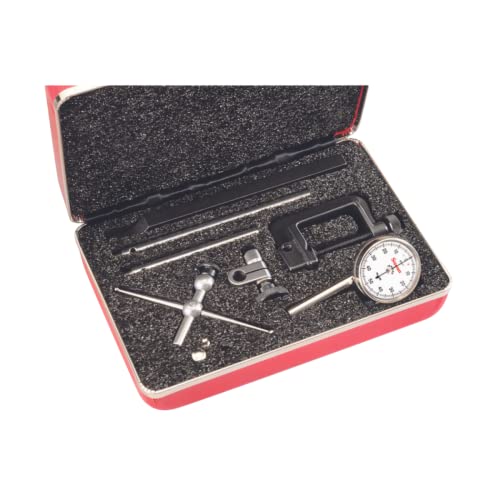
Perfect For Any Job - Whether you're measuring height, depth, or width, this indicator will get the job done quickly and easily. With its durable construction and versatile design, it's ready for any task.

AGD 2 Style Standard: Engineered to adhere to AGD 2 specifications, ensuring compatibility and reliability across applications.

HIGH-PRECISION INSPECTION TOOL: Provides 0.008" measuring range with 0.0001" resolution, making it perfect for runout, alignment, and precision setup, while contact point length is clearly printed for quick operator reference.
How to Maintain Your Sander to Reduce Vibration

Ever tried to work with a sander that shakes more than it smooths? That’s frustrating, right? Keeping your sander in tip-top shape is key to reducing those annoying vibrations and making your sanding jobs easier.
First off, give your sander a good once-over. Check and tighten all the components, especially the sanding disc. If anything’s loose, you may notice unexpected vibrations that can throw you off your game. It pays to make this a regular practice. Also, inspect the sanding disc often; if it’s worn down, replace it. Keeping everything in good condition helps ensure your sander performs at its best.
Here’s the trick: always use a firm backer pad when you’re attaching the sanding disc. A solid pad absorbs vibrations much better, giving you a smoother sanding experience. And when you’re ready to get to work, make sure your sander’s on a flat, even surface. Vibration can get amplified if it’s not.
Cleaning plays a big role too! Dust and debris can really mess with how well your sander works and can lead to uneven sanding. Take a moment to clean the sanding disc regularly. This simple step can help keep those vibrations down and improve your results with each pass. Additionally, choosing a sander with a smart counterweight design can further minimize vibration and enhance comfort during use.
Recommended Products

【EVA Sandwich Design】Anti vibration pads are made of high strength rubber with a blue EVA layer. EVA materials have excellent sound and vibration damping properties. The combination of EVA and rubber provides both durability and better shock absorption than ordinary rubber pads

For attaching coated abrasives to 180mm Angle Grinders

✅ STURDY HEAVY DUTY RUBBER- The rubber material is very dense,it Made of the highest quality soft rubber,absorb sound to the maximum extent.
Effective Techniques for Reducing Sander Vibration During Use
Sanding can be a real hassle, especially when your sander vibrates like crazy. Ever wonder why it feels like you’re wrestling with your tool instead of getting a smooth finish? Let’s talk about some practical ways to reduce that annoying vibration and make your sanding more enjoyable.
First off, check all the parts of your sander. If anything’s loose, it can really ramp up the vibrations. Tightening everything down is a simple fix that can make a big difference. Next, consider using a backer pad or a foam interface pad. These can absorb some of that vibration, giving you a little more stability as you work.
Starting at lower speeds is also a smart move. Gradually increase the speed while paying attention to the vibrations. It’s all about finding the sweet spot for the material you’re sanding. And speaking of pressure, remember to apply it evenly. Too much force and you risk creating swirls or, you guessed it, more vibrations than needed.
Regular inspection is key too. Make it a habit to check your sanding discs. If they’re worn down or damaged, it’s time to replace them. Poor-quality abrasives can lead to uneven results and just add to your vibration woes. Additionally, a cast iron base helps reduce vibration by providing a stable and heavy foundation for the sander.
Recommended Products

Country Of Origin: United States

【EVA Sandwich Design】Anti vibration pads are made of high strength rubber with a blue EVA layer. EVA materials have excellent sound and vibration damping properties. The combination of EVA and rubber provides both durability and better shock absorption than ordinary rubber pads

Measuring 4" x 4" x 1.17", these solid rubber shock pads are designed to fit most air compressors, generators, pumps, and industrial machinery. The square shape and thick construction provide stable support for small to medium-sized equipment without custom cutting.
Troubleshooting Common Sander Vibration Issues?
Are you tired of dealing with a vibrating belt sander that just doesn’t want to cooperate? You’re not alone! Vibration issues can really make sanding a frustrating experience, but there are some easy fixes to look out for.
First off, have you checked the alignment of your sander components? Misaligned pulleys or motors can throw everything off balance and lead to weird vibrations. Give it a once-over and make sure everything is lined up nice and straight.
Another thing to check are the bearings in the pillow blocks. If they’re worn out or not properly lubricated, that can cause extra movement—you don’t want that! And don’t forget about the sanding disc itself; if it’s damaged or not attached properly, it can create some serious imbalance.
While you’re at it, think about how you’re sanding. Are you applying even pressure? Following uneven patterns? These can definitely make vibrations worse.
For the best results, keep up with regular maintenance too. Tightening bolts and replacing worn parts can do wonders for performance.
Also, using high-quality sanding belts designed for your specific drum sander can significantly reduce vibration and improve finish consistency.
Frequently Asked Questions
What Cancels Out Vibration?
Think of us as trees swaying in the wind; we can cancel out vibrations using vibration isolation and damping techniques. By embracing these tools, we’ll create stability, reducing unwanted disturbances and achieving smoother outcomes in our projects.
What Could Be the Main Common Causes for Machinery Vibration?
The main common causes for machinery vibration are equipment misalignment and worn bearings. We’ve noticed that addressing these issues promptly can considerably enhance performance and prolong our machinery’s lifespan, creating a smoother operational experience.
What Can Be Used to Reduce Vibration From Power Tools?
To reduce vibration from power tools, we can use anti-vibration mats and dampening pads. They’ll absorb shocks and enhance stability, making our sanding tasks smoother and more efficient, just like we need them to be.
What Is the Preferred Method of Vibration Reduction?
For effective vibration dampening, we should prioritize ergonomic adjustments. Emphasizing careful component alignment, using cushioned pads, and adopting controlled techniques can create a smoother sanding experience, considerably decreasing discomfort and enhancing our overall work quality.


