As an Amazon Associate, we earn from qualifying purchases. Some links on this site are affiliate links at no extra cost to you. Our recommendations are based on thorough research and editorial judgment.


Dust Collection Systems for Sanders Explained

Are you tired of dealing with a sander that kicks up more dust than you’re able to handle? Dust collection systems for sanders are crucial for keeping the air in your workspace clean and safe while you work on your woodworking projects.
When selecting a dust collector, it’s smart to look for high-efficiency models, like portable dust extractors with a rating of at least 150 CFM. These units are your best bet for keeping the workspace clear of debris. Go for 1″-2″ flexible hoses to ensure you get maximum suction.
Ever thought about HEPA filters? They’re pretty amazing—they capture 99.5% of fine dust particles, significantly increasing safety in your shop.
Regular maintenance is key to ensuring your dust collection system performs at its best. Make it a habit to clean the hoses and change the filter bags often. This will keep everything running smoothly and help extend the life of your equipment too.
Now, if you’re wondering how to boost your setup even further, consider adding a cyclone separator. This nifty device helps separate the larger particles from the fine dust, improving efficiency even more.
So, what’s stopping you from enhancing your dust management system?
In short, choosing the right dust collector, maintaining it properly, and considering additional devices like cyclone separators can make a huge difference in your woodworking experience.
What solutions have you tried to improve your dust collection?
Key Takeaways
- Effective dust collection systems significantly improve lung health by capturing harmful fine dust produced during sanding operations.
- Portable dust extractors with HEPA filtration enhance air quality by trapping up to 99.5% of fine dust particles.
- High suction efficiency, ideally over 150 CFM, is essential for effective dust capture when using sanders.
- Regular maintenance, including cleaning filters and hoses, ensures optimal performance and strong airflow in dust collection systems.
- A clean workspace and efficient vacuum systems contribute to better health, safety, and woodworking craftsmanship.
Understanding the Importance of Dust Collection for Sanders

Have you ever wandered into your workshop after a long day of sanding, only to be hit by a cloud of dust? It’s not just annoying; that fine dust can really mess with your lungs. It’s crucial to have a solid dust collection system in place when you’re sanding.
To tackle this issue, think about using portable dust collectors or high-efficiency dust extractors. These tools are designed to manage the clouds of fine dust that sanders produce, and they do it effectively. When you’re sanding, remember that airflow is key. If you’re connecting smaller dust ports to larger hoses, you might end up restricting airflow, which means less dust gets collected. That’s why models with appropriately sized 4-inch to 6-inch hoses perform so much better.
Here’s the trick: investing in dust collection units that come with filter bags can really help lengthen the life of your filters while also improving the capture of fine dust. This means less time worrying about changing filters and more time focused on your work. Trust me, having a clean workspace not only keeps you safer but can also elevate the quality of what you produce.
So, why does this matter? Dust in the air can impact your health over time. You want to create a safe environment for yourself and anyone else who spends time in that workshop. By prioritizing an efficient dust collection system, you’re taking steps to protect yourself from those harmful particulates. Choosing units with HEPA filtration can significantly improve air quality by capturing up to 99.5% of fine dust particles.
Choosing the Right Dust Collection System for Your Sanders

How do you choose the right dust collection system for your sanders? It can feel a bit overwhelming, right? You want something that really works, so let’s talk about the essentials to keep your workspace clean and safe.
First off, high suction efficiency is key. For handheld sanders, portable dust extractors or shop vacs with filter bags are ideal. They do an excellent job of capturing fine dust that can easily escape into the air. If you’re sanding materials that kick up a lot of fine particles, a high-pressure low-volume (HPLV) system is a smart choice. It does a great job at managing dust levels, and you’ll notice the difference in how clean your space is—trust me on that!
You’ll also want to think about compatibility with your tools. Using flexible hoses can help connect your sanders to larger dust collection systems, which is super handy if you have multiple tools. And don’t forget about regular filter cleaning and proper vacuum settings; these are crucial for keeping the airflow strong and maintaining that suction power. Think of it like giving your gear a little TLC.
Additionally, choosing a dust extractor equipped with a HEPA filter will significantly improve air quality by capturing 99.97% of fine dust particles.
So, why does all this matter? Well, when you take the time to evaluate your dust collection options, your sanding projects will go much smoother, and you’ll be left with a cleaner workspace.
Recommended Products
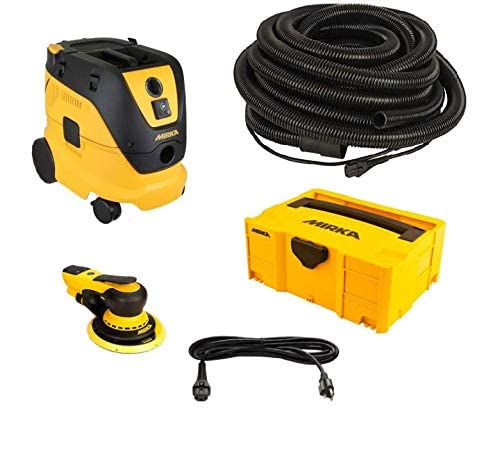
Variable speed control with lever, for an optimal control when working Separate on/off switch, for easy and safe handling

Intuitive: Push-button controls make it easy to operate the extractor.

INCLUDES: 9 Gallon portable dust extractor, poly filter bag (3M 95981), conductive hose (3M 95291), push handle (3M 96804), 2 x HEPA filter cartridges class H (3M 95259)
How Point-Source Dust Collection Works Effectively

Have you ever found yourself sanding wood, only to look up and see a cloud of dust all around you? It’s not just annoying; it can be a health risk if you’re breathing in wood dust regularly. Point-source dust collection systems can really help with this problem.
These systems work by catching dust right where it’s generated—directly at the source of the sanding. For handheld sanders, they make a big difference. You’ll notice that they keep dust travel to a minimum before it even has a chance to fill the air. By using smaller hoses, usually about 1-2 inches in diameter, they create high-velocity suction that grabs those fine dust particles effectively. This means a cleaner workspace and less airborne dust. And let’s not forget, breathing in wood dust can be dangerous since it’s a known carcinogen.
If you’ve got multiple tools in a tight area, the flexible connections in these systems are super handy. You can easily switch the dust collection between different tools without a hassle. Don’t underestimate maintenance, though. Keeping your hoses and filters clean is crucial for the system to work well. Clogged filters can mess with airflow and suction, making the collection ineffective.
So, here’s the trick: Make it a habit to check your filters regularly, because a little maintenance goes a long way in keeping your dust collection efficient. It’s all about creating a safer environment while you work. Additionally, using a cyclone dust collector can achieve separation rates above 99% to improve overall dust management.
Essential Steps for Setting Up Your Dust Collection System
Setting up a dust collection system for sanders doesn’t have to be overwhelming, but it does need some thoughtful planning to really capture that pesky dust. The goal is to get dust right where it’s created—so it doesn’t swirl around and settle in every nook and cranny of your workspace.
First off, you’ll want a high-velocity vacuum. It’s best if it’s rated for at least 150 CFM. Pair that with a flexible hose that’s around 1″-2″ in diameter to keep the suction strong. Have you thought about adding a Oneida Dust Deputy cyclone separator? It’s great for picking up fine dust, and it helps keep the vacuum filter cleaner for longer. Plus, consider integrating a downdraft table—this really helps catch dust while you work, making your air quality a lot better.
Double-check all your connections to make sure they’re snug. Even small leaks can cause a serious drop in airflow, which kind of defeats the purpose of having a dust collection system in the first place. And let’s face it—who wants to deal with all that mess?
Regular maintenance is key, too. You don’t want to forget about cleaning those filters or replacing bags when they get full. Trust me, staying on top of these little tasks will keep your system running smoothly. Also, using tools with integrated blade guards enhances safety in dusty environments by preventing accidental contact during operation.
Recommended Products

Powder coated paint

AUTO-CLEANING: With automatic filter cleaning, the Bosch VAC140AH dust extractor cleans the filter every 15 seconds to help maintain maximum suction power
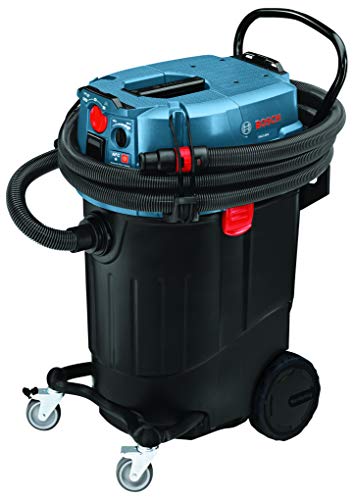
AUTO-CLEANING: With automatic filter cleaning, the Bosch VAC140AH dust extractor cleans the filter every 15 seconds to help maintain maximum suction power.
Maintain Your Dust Collection for Peak Performance
Have you ever noticed how quickly dust can accumulate in your workshop? It’s frustrating, right? Keeping your dust collection system in top shape is crucial for staying efficient and making the best use of your tools.
Let’s dive into some simple tips. Regularly changing filter bags in your shop vacuum will really help maintain the airflow. When filters get clogged, the vacuum’s performance takes a hit, which just adds to the mess you’re trying to avoid. Plus, don’t forget to give your hoses a good once-over. A hose with a puncture or a leak can seriously compromise your suction—definitely not what you want when you’re in the zone.
Here’s the trick: consider installing cyclone separators. These handy devices reduce the amount of dust that ends up in your filters, making them last longer. Adjusting your vacuum settings based on the sanding tool you’re using can also make a world of difference. High-pressure, low-volume dust collectors are amazing at trapping the fine particles that sneak around, and trust me, those little guys are the worst!
Don’t let dust collection bins overflow. Emptying them regularly and ensuring all connections are snug will maximize your airflow. Why does this matter? Well, less pressure loss means better performance for your dust collection system. Also, using durable hoses with anti-kink features can maintain consistent airflow and improve overall system reliability.
In recap, take care of your dust collection system, and it’ll take care of you. So, how often do you check your filters and hoses? Let’s keep that workshop clean and efficient!
Troubleshoot Common Dust Collection Issues Easily
When it comes to dust collection issues, it can feel like you’re fighting a never-ending battle. Have you ever noticed how dust seems to settle everywhere except where you want it? Understanding your system’s specs and how they mesh with your sanding tools is a must. If you’ve got a high pressure low volume setup, those handheld sanders are perfect for capturing dust right at the source.
If you’re using a shop vac, make sure it has HEPA filters. Why? Because they help keep airflow strong and prevent those annoying clogs that can ruin your day. Trust me, I’ve seen suction drop significantly when reducing hose size from 4 inches to 2 inches—so don’t overlook that detail.
And here’s a trick: implementing cyclone separators can significantly boost your setup’s efficiency before the vacuum kicks in. They help minimize fine dust and improve suction over time, which is crucial when you want to keep the air clean.
Regular maintenance is another key aspect you can’t ignore. Cleaning or replacing filter bags regularly is necessary to keep things running smoothly and to stop dust from getting back into the air. Honestly, who wants to breathe that stuff in?
For larger spaces, consider air filtration systems with high airflow capacity like the AlorAir 360 Intake Air Filtration System to effectively manage airborne dust and maintain cleaner air.
Recommended Products

10X HIGHER SUCTION POWER than standard dust collectors and the only dust collection system on the market with high enough levels of static pressure (WC) and airflow (CFM) to effectively capture and contain dust from every tool in the shop with a dust port size of 1” to 5”. BEST DUST COLLECTOR – Popular Mechanics 2020 Tool Awards

Cyclone's two-stage separation provides more working CFM than comparable horsepower single-stage units

Exceptional Suction Power for Heavy-Duty Use - Features a 1,380-watt motor delivering 153 CFM airflow and 102 PSI static water lift, providing reliable and efficient removal of dust, debris and liquids for a wide range of applications
Advanced Techniques for Dust Management in Woodworking
Dust in your woodworking shop can be a real headache, can’t it? You’re not alone if you dream of a dust-free workspace. The good news is that achieving this doesn’t have to be a massive chore; it just takes some smart techniques tailored specifically to your sanding processes.
Try this: invest in a portable dust extractor or a shop vacuum with HEPA filters. These tools do wonders for capturing those fine dust particles that tend to escape into the air. It’s also super helpful to connect your sanding tools directly to a high-volume central dust collection system. This way, you can focus on point-source collection, which cuts down on airborne dust and boosts your suction efficiency.
So, why does this matter? Well, keeping clean airflow is vital. One thing you’ll want to keep in mind is the importance of hose diameter. A 4” hose is ideal. If you’re using a 2” hose, you could be losing out on essential airflow, and that’s something you don’t want to deal with. Additionally, consider implementing a cyclonic separation system, like the Dust Deputy. This can help keep your filters from clogging up, which means you’ll maintain high airflow rates while working.
Don’t forget regular maintenance! Changing filter bags and checking your hose connections can significantly enhance your dust management. Being diligent about these details can make a big difference in your woodworking experience.
Cordless random orbit sanders often feature onboard dust collection systems that work seamlessly with these setups to improve dust capture directly at the source.
The best part is, these tips can help create a cleaner space for you to work in, so you can focus on the craft itself. Just think about how much better your projects could turn out without the added hassle of dust everywhere.
Have you tried any of these methods before? What worked best for you?
Recommended Products

10x higher suction pressure than standard dust collectors and 20% more airflow through 4" ports than the classic Supercell!

The Milwaukee 8-gallon dust extractor provides users with an osha-compliant solution for the regulation on reparable crystalline silica dust

Powerful Makita-built motor delivers 127 cfm and 96" Water Lift of suction using corded power
Essential Safety Tips for Working With Dust
Working with wood is a fantastic way to express your creativity, but dust can be a real hazard. When you’re busy sanding or cutting, that fine wood dust floating around isn’t just annoying—it’s dangerous. So, what can you do to keep yourself safe?
Start by wearing an N-95 mask or something better for your lungs. Wood dust is a known carcinogen, and you don’t want to take any chances with your health. Trust me, breathing in that stuff can lead to serious long-term issues. Also, don’t skimp on eye protection. A good pair of safety glasses will prevent eye irritation from those irritating particles.
Now, let’s not forget about noise. If your workspace is filled with loud tools, grab some hearing protection, too. It’s easy to overlook, but those noisy machines can not only damage your hearing but can also allow dust to slip into places you don’t want it.
Keeping your workshop clean should be a top priority. Regularly check your dust collectors to make sure they’re doing their job. A functioning dust system really helps cut down on the large hazards that can come from all that dust. Plus, a well-ventilated area with efficient vacuum systems will keep the air much cleaner.
Equally important is choosing the right filtration efficiency in your dust mask respirator to ensure maximum protection against harmful airborne particles.
So, why does this matter? Because protecting your lungs means you can keep woodworking for years to come. And as you hone your skills, you’ll appreciate every moment without worrying about health risks. Keeping a safe and clean workspace is just part of the process.
In short, put safety first. It’s all about enjoying your craft while staying healthy. What safety measures have you found most helpful in your own woodworking journey?
Frequently Asked Questions
How to Collect Dust From a Sander?
Did you know that proper dust collection can cut airborne particles by over 90%? To collect dust from a sander, we should use effective sander attachments, guarantee filter efficiency, and maintain good air quality with our vacuum options.
How Does a Dust Collection System Work?
A dust collection system works by utilizing vacuum attachment options to capture dust efficiently, improving air quality through particle size reduction. We need to take into account filtration efficiency ratings and dust collection maintenance to prevent static electricity issues and guarantee system compatibility.
What Are the Different Types of Dust Collection Systems?
Did you know that central vacuum systems can capture up to 99.97% of particles with HEPA filters? We’ve got bag filters, cyclone separators, portable units, wall-mounted systems, and industrial setups to evaluate for our dust collection needs.
How to Not Get Dust Everywhere When Sanding?
To avoid dust everywhere while sanding, we should use effective sanding techniques, keep our workshop organized, connect vacuum attachments, and prioritize PPE essentials, air filtration, and surface preparation for safety and health considerations throughout the process.


