As an Amazon Associate, we earn from qualifying purchases. Some links on this site are affiliate links at no extra cost to you. Our recommendations are based on thorough research and editorial judgment.


Reading Wood Grain Direction Before Cutting

Have you ever tried cutting wood only to end up with splintered edges and a frustrating mess? Understanding the direction of the wood grain can be the key to achieving clean results. The grain, which refers to how the wood fibers align, plays a huge role in how the wood behaves during cuts.
To find the grain direction, take a close look at the end grain for growth rings or run your fingers along the surface to feel the texture. It might seem small, but this little step can save a lot of headaches later. Here’s a trick: testing with some scrap wood first helps confirm which way the grain is running. Trust me, this careful observation will minimize tearout and give you those smooth edges everyone loves.
So, why does this matter? Cutting against the grain can lead to that ugly splintering, making your project look less than professional. Instead, cutting with the grain makes for cleaner cuts and better results.
The best part is that paying attention to grain direction isn’t complicated. Just take a moment to check it before you get started. It can really make a difference in your woodworking projects.
In short, keep an eye on that grain when you’re working, and you’ll notice a big improvement in your cuts. Have you tried checking the grain direction before? What’s your go-to tip for a clean cut?
Key Takeaways
- Observe end grain to determine fiber alignment by analyzing growth rings for accurate cutting direction.
- Run fingers along the wood surface; smoother areas indicate the grain direction, guiding your cut.
- Recognize consistent grain lines and cathedral shapes to identify the correct long grain flow before cutting.
- Conduct test cuts on scrap wood to verify grain direction and prevent tearout during final cuts.
- Keep tools sharp and properly maintained to enhance cutting efficiency and minimize the risk of tearout.
Why Reading Wood Grain Creates Clean Cuts

Ever tried cutting wood only to end up with a rough edge? It’s frustrating, isn’t it? Understanding wood grain direction can make all the difference when it comes to achieving those clean cuts you’re after.
When you read the grain correctly, you can align your tools with the wood fibers. This not only minimizes tearout but also enhances edge smoothness. So why does this matter? Simply put, when you cut with the grain, those fibers separate much more easily. It takes less effort and gives you a finer finish. On the flip side, cutting against the grain can create resistance, and nobody wants a rough surface on their project.
Before making any cuts, take a minute to observe the growth rings and fiber alignment. This simple practice ensures you’re cutting with the grain, which boosts tool performance and leads to cleaner, more precise results. Here’s the trick: once you start paying attention to grain direction, you’ll notice a significant boost in your technique. It helps maintain the wood’s integrity, too.
Honestly, it’s all about that attention to detail. Taking a few extra seconds to figure out the grain direction can save you a lot of time and frustration down the line. So, next time you’re getting ready to cut, remember to check that wood grain. It might just make your project even more rewarding! For best results, pairing your technique with a benchtop band saw’s cutting capacity ensures precision and clean cuts every time.
What’s Wood Grain, and Why Does It Matter for Carving?

Have you ever carved into wood only to end up with a mess? Understanding wood grain is a key part of avoiding that frustration. Wood grain isn’t just some fancy term; it refers to how cellulose fibers align in wood, creating those visible lines that show you the grain direction. Getting this right is essential because cutting against the grain can tear or chip the wood, leaving you with a rough texture that takes way more time to fix.
So, how can you figure out the right carving direction? Start by taking a good look at those surface patterns. You’ll notice alternating light and dark lines that can guide your cuts. Also, pay attention to how the wood feels. If a section feels smoother, that’s usually the way your carving tools will glide better.
Honestly, once you master this wood grain thing, it can make a huge difference. You’ll not only enhance the quality of what you create but also feel more confident and reduce the chances of injury. Those little bits of knowledge can help you carve like a pro and enjoy the process much more. Using keyhole saw cutting techniques like steady pressure and starting with a pilot hole can also help manage cuts along the grain more precisely.
Recommended Products

Full mantel surround Asian hardwoods and veneers with unfinished paint and stain grade

PREMIUM SOLID WOOD CONSTRUCTION – Made from durable rubber wood, this platform bed frame supports up to 800 lbs, offering exceptional strength and long-lasting performance for any bedroom setup.

MAVERICK OUTDOOR CEILING FAN DIMENSIONS: Diameter: 60"; Height: 13.7" (From Ceiling to Bottom of Fan Housing, Includes 6" Downrod); Weight 8.13lbs.
Step-by-Step Techniques for Reading Wood Grain Direction

When it comes to carving wood, figuring out the grain direction can make a huge difference. Are you tired of getting snagged or tearing the wood while you work? Let’s dig into some practical techniques to help you read wood grain like a pro.
First off, taking a peek at the end grain can really give you insight. Look for those growth rings; they’ll show you how the fibers are lined up. This simple step can save you from making some costly mistakes.
Another handy trick is to just run your fingers along the wood’s surface. If it feels smooth, you’re going with the grain. If it feels rough, you’re probably going against it. It’s like a little touch test that can guide your cutting technique.
Also, keep your eyes peeled for grain lines. If they consistently flow in one direction along the edges, take note. This visual cue guides your cuts and helps you avoid frustration down the line.
One more technique that’s super effective is the fingernail test. Just lightly drag your fingernail across the surface. You’ll feel where the grain resists. It’s a quick and effective way to double-check your direction.
Finally, watch out for cathedral shapes in the grain. These typically point toward the flow of the long grain. Recognizing features like these can really refine your understanding of the wood you’re working with.
Using the right hand plane jacks can also help maintain control and avoid tearout when planing along the grain direction.
Recommended Products

Sandsmart control continuously monitors the load on the drum motor and regulates the speed of the conveyor motor to maintain the highest feed rate without overload

🎁【 Compact and Versatile Design】: The two-part combination of a makeup table and storage cabinet creates a space-saving solution suitable for various household sizes. Effortlessly transition it between a TV stand, dressing table, or desk, making it a true multi-purpose piece.
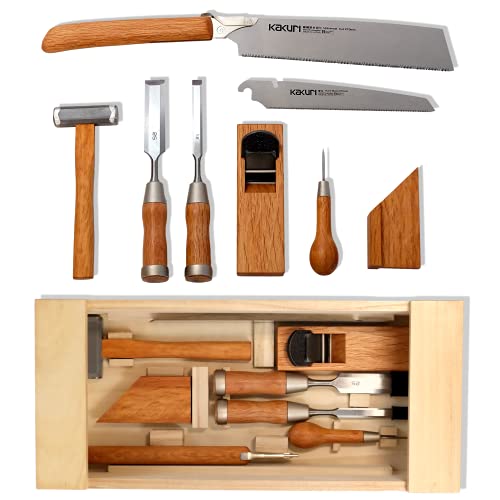
[QUALITY JAPANESE WOODWORKING TOOL SET] Discover the highest-grade Japanese carpentry tool set from KAKURI, trusted by professional artisans worldwide—from musical instrument makers to joiners, furniture craftsmen, and carpenters. This premium set comes in a traditional Japanese toolbox made of lightweight, durable paulownia wood, designed for both protection and portability.
Identifying Mistakes in Grain Direction for Smooth Carving
Misreading grain direction can really throw a wrench in your wood carving plans. If you cut against the grain, you’re setting yourself up for some serious tear-out. Nobody wants to deal with rough edges that need a ton of sanding just to look decent, right?
To avoid these headaches, take a moment to observe the grain lines closely. Knots and shifts in direction can easily trick your eye. Try this: make some test cuts on scrap wood before diving into your main project. Using a fine cut with a low-angle plane can help you pinpoint the true grain direction, giving you a clearer picture of how to proceed.
When you tune into the gradual changes in the grain patterns, you’ll be able to tweak your cutting techniques accordingly. Honestly, paying attention to these details can make all the difference, resulting in cleaner and smoother carvings for your projects. For increased precision in aligning cuts, consider using tools like a rotary laser level to ensure accuracy throughout your woodworking process.
Recommended Products

Wood Carving Kit Enormous Deluxe Edition: 9 whittling tools for all sorts of the job, a strop with 3 different compounds and a leather shoulder bag to keep it all in.
Directional Shape is the classic snowboard shape, with a slightly longer nose than tail, and is built to rip any terrain or condition; 5mm Taper makes for quicker turn engagement, providing the feel and focus of a directional board

【Convenient Magnetic Door Design】This mid-century accent cabinet features a convenient magnet mechanism and curved handles for smooth, effortless access. The inward-facing hinges ensure secure closing, keeping your stored items well-protected while maintaining a clean aesthetic.
Understanding Tearout: Fixes and Prevention Related to Grain Direction
Have you ever been working on a wood project, only to find yourself wrestling with tearout? It’s frustrating, isn’t it? Tearout can ruin that perfect finish, and it happens when you cut against the grain, pulling up fibers instead of slicing through them smoothly.
To tackle this issue, it’s crucial to pay attention to the grain direction while cutting. A straightforward way to reduce tearout is to always go with the grain. If you’re dealing with complex grain patterns, consider using a hand plane with a higher cutting angle—around 55° should do the trick. This can really help in softening the blow of tearout.
When you’re drilling or trimming, here’s a trick: use backer boards. They support the wood and stabilize those unsupported fibers, which helps to lessen tearout as you cut through. For end grain cuts, it’s best to work from the outside in. Starting with a sharp chisel can make all the difference, too.
So, why does this matter? Well, implementing these strategies leads to cleaner edges and better-quality results in your projects. You’ll find that a little extra care during the cutting process can go a long way. Using high-quality tools like solid carbide router bits can further enhance smooth cuts and reduce tearout on your woodworking projects.
Recommended Products

57 PIECE CNC ROUTER BITS SET: Versatile assortment for every CNC machinist including applications for sign making, cabinet making, furniture making, carving, surfacing, and precision cutting


SPECS - The Extended Slab Flattening Mill has a slab capacity of 38.75" x 128.5" or 62.75" x 104.5". The rail lengths are 72"x120". Includes (4) 72" rails, (2) 48" rails, (1) router sled, (4) Slab Clamping Dogs and all assembly hardware. Does not include plywood or MDF base.
Tools and Tips for Successfully Working With Complex Grain Patterns
Working with complex grain patterns can sometimes feel like a puzzle. Ever wondered how to prevent tearout while you’re shaping that beautiful piece of wood? Inspecting the wood closely with a magnifying glass can really pay off; it allows you to spot those subtle changes in grain direction that could cause some frustrating issues down the line.
Before you make any cuts, try this: use a fine-tipped marking tool to outline the grain flow. Doing this helps keep your cuts precise and can save you a lot of hassle later. Once you’re ready to start cutting, experiment with different angles using a hand plane. A low-angle block plane can be a lifesaver—especially when you’re working with tricky wood types or tackling end grain.
It’s also important to keep your tools sharp. A sharp blade makes a world of difference in getting clean cuts and reducing the risk of tearout. And if you notice the grain pattern getting complicated, don’t hesitate to adjust the blade angle accordingly.
So, why does all this matter? Well, attending to the details can really enhance the beauty of your project. By being mindful of the intricate patterns in the wood and taking a little extra time to prep, you’ll end up with results that you can be proud of. Choosing tools with adjustable depth features can improve precision and help minimize damage to the wood’s surface.
Recommended Products

Powerful Magnetic Clamping: EB-6116 sheet metal brake delivers 8 tons of uniform magnetic force across the 61-inch beam, ensuring crisp and accurate bends for professional use

1/2" diameter external positive depth stop with three nut locking feature for quick adjustment

[Milling and Drilling Machine Parameter]: With Metric Scale.Spindle taper:MT3-ER32(milling chuck accessories),Distance from spindle to table:,X axis stroke:18.9"(480mm),Y axis stroke:6.9",Z axis stroke:11,Table size:27.5"*7.1"(700mm*180mm).The operation is more conwenient.Forward and reverse switch and with emergency stop switch, which is more safe.
Frequently Asked Questions
How to Tell Which Direction Wood Grain Is Going?
To identify wood grain direction, we should inspect wood grain patterns, feel the texture, and look for straight lines. These wood cutting tips can prevent woodworking mistakes, helping us achieve better results during our projects.
How to Tell Which Way Grain Goes?
To tell which way grain goes, we can use wood grain identification techniques like observing visual grain patterns, checking for smoothness, and employing cutting wood techniques. This helps us determine grain direction effectively for our projects.
How to Tell Edge Grain From Face Grain?
How do we distinguish edge grain from face grain? We can examine wood grain patterns—edge grain features pronounced growth rings, while face grain has a smoother appearance—both essential for effective grain identification in our woodworking techniques.
How to Tell Which Way the Grain Is Going in Golf?
We can tell which way the grain’s going in golf by examining the clubhead’s surface texture and fibers. Proper grain alignment impacts shot accuracy and ball control, vital for effective golf club design.


