As an Amazon Associate, we earn from qualifying purchases. Some links on this site are affiliate links at no extra cost to you. Our recommendations are based on thorough research and editorial judgment.


What Causes Saw Blade Binding and How to Prevent It

Ever found yourself in the middle of a project and your saw blade just won’t cut through? It can be incredibly frustrating when your blade starts binding. Most of the time, this happens because of dull blades, misalignment, or not enough support for the workpiece.
To tackle these issues, keep your blades sharp. Dull blades create more friction, making it easier for them to bind. Regularly check your blade alignment with a combination square to ensure those angles are spot on.
And don’t forget to adjust the blade depth carefully; going too deep can lead to problems. Steady feeding of the material is another key factor. Remember, it’s not a race! Take your time when pushing the material through the saw.
Also, make sure you’re using the right blade for the type of material you’re cutting. Using an inappropriate blade can lead to frustration and potentially damage your workpiece.
Here’s a tip: keep your blades clean. Built-up debris can seriously affect performance. A little maintenance goes a long way in maximizing cutting efficiency and safety.
So, why does this matter? Well, keeping your blade in top shape not only saves time but also ensures a smoother cutting experience. With a little attention to these details, you’ll get through projects with way less hassle.
Have you ever had a binding issue that threw a wrench in your plans? What did you do to fix it?
Key Takeaways
- Dull blades increase friction and heat, leading to binding; keep blades sharp for smoother cuts.
- Improper blade alignment can cause misalignment; check alignment with a combination square for accuracy.
- Unsupported workpieces may collapse against the blade, so ensure proper support during cuts.
- Feed material steadily to avoid jams; adjust feeding speed based on material density to prevent binding.
- Regularly inspect and clean blades, and choose the right blade type for the material to enhance cutting performance.
Key Strategies to Prevent Saw Blade Binding

Ever felt that moment of panic when your saw blade starts to bind? It can be frustrating and downright dangerous. Fortunately, there are some real-life strategies you can implement to avoid that issue.
First things first: keep those blades sharp. Dull blades not only make cutting harder but also create extra friction, which raises your risk of binding. You don’t want to find yourself struggling halfway through a cut! Regularly inspect your blades and replace them when they lose their edge.
Next, let’s talk about blade alignment. You can make sure everything’s lined up just right by checking it with a combination square before you start cutting. Aim for that perfect 90-degree angle against the fence. It makes a world of difference. Not to mention, adjusting your blade depth is crucial—set it just deep enough to cut through the material. Too much exposure can lead to all sorts of trouble.
Safety should always be a priority, and that’s where blade guards come in handy. They not only protect you, but they also help keep the blade on track during your cuts.
And remember this: feeding the material steadily can have a huge impact. If you’re rushing, you really increase the chance of binding. Add in some anti-kickback devices to maintain kerf separation, and you’re on your way to safer, smoother cuts.
Choosing a saw with a built-in laser guide can also help ensure more accurate and precise cuts, reducing the likelihood of blade binding.
Recommended Products
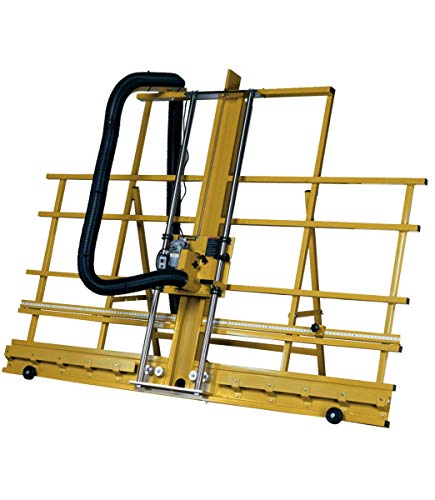
3-HP worm drive saw motor rotates in carriage to perform rip cuts

Non-Symmetric Miter for Heavy Profiles 60° right/45° left swivel head cuts H-beam flanges without repositioning. Laser-etched angle scale locks positions in 3 seconds, eliminating manual measurement errors on 12.4"x6.7" steel plates

Max. Crosscut - 64”/1625mm
What Causes Saw Blade Binding During Cuts?

Ever tried making a clean cut only to find your saw blade binding up? It can be frustrating, but understanding what causes this issue can save you from a lot of headaches in the workshop.
Dull blades are one of the biggest culprits here. When they’re not sharp, they create extra friction, which can lead to overheating. If that happens, you might find both your blade and workpiece start to warp. And guess what? Warped wood can shift unexpectedly while you’re cutting, causing the kerf to close around the blade. So, keeping your blades sharp is key.
Improper blade alignment is another common reason for binding. Whether it’s misaligned with the fence or the guide, it can mess everything up. Additionally, if the workpiece doesn’t have adequate support—especially during rip cuts—things can collapse against the blade with not so great results.
Truth is, the speed at which you feed your material matters too. If you’re pushing too hard or moving too slowly, you’re just asking for trouble. You could end up jamming the blade, which isn’t what you want during a project.
Using saws with proper ergonomic designs can also reduce user fatigue, which helps maintain steady and accurate cuts, minimizing the chances of blade binding.
Essential Tools and Maintenance for Optimal Performance

Ever had a project go sideways because your tools just weren’t cutting it? If you’ve struggled with less-than-perfect cuts or binding issues, you’re not alone. Sometimes, it’s the little things—like tool maintenance—that can make all the difference.
Start by checking your saw blades. Dull or damaged blades can really mess things up, causing more friction and those annoying bind-ups while you’re working. Make it a habit to inspect them regularly. Using the right type of blade for your material is key as well. Not only does it help with smoother cuts, but it also extends the life of your blades and can save you time in the long run.
And speaking of time savers, let’s talk about your table saw. Keeping it in good shape means ensuring it’s properly aligned. Make sure the blade is parallel to the fence and base. This simple step promotes accuracy that can seriously elevate your craftsmanship. Plus, don’t forget to clean and wax your table—this really does help reduce friction and keeps everything running smoothly.
Honestly, investing in quality blades from trusted brands pays off. Think of it as putting your money into tools that last. High-quality blades not only boost your performance but also cut down on those pesky binding problems you hate dealing with.
In addition to saw maintenance, having the right tools and equipment suited for your project’s conditions can greatly ease your work and prevent issues.
Recommended Products

Eliminates the hassles of gas with lower weight, reduced maintenance, and zero emissions allowing use in indoor environments

【Powerful 15-Amp Motor for Superior Performance】This Hoteche 10-Inch Sliding Miter Saw boasts a strong 1800W motor, providing a high no-load speed of 4500 RPM. This powerful motor is designed to deliver efficient cutting performance across a variety of materials, making it ideal for both professional carpenters and DIY enthusiasts

Stylish Fluted Design - These fluted wall covering panels add depth and elegance to any room, making them ideal for creating feature walls in living room, bedroom or office. The uniform, clean lines provide a modern touch and a sophisticated visual appeal
Essential Safety Practices to Avoid Circular Saw Accidents
Using a circular saw can be a bit daunting, especially if you’re not familiar with the safety measures. Have you ever thought about what could go wrong if you’re not careful? Accidents can happen quickly, and they often lead to serious injuries. So, let’s dive into some essential safety practices you should always keep in mind.
First off, don’t skimp on your protective gear. Always wear safety goggles, a dust mask, and hearing protection—trust me, you’ll thank yourself later. When you grip the saw, make sure to use both hands. It helps you maintain control, which is crucial. And while you’re at it, secure your workpiece. A stable piece means less chance of it moving around while you’re cutting.
Before turning on the saw, take a moment to inspect your blade. Is it sharp? Is it properly aligned? A well-maintained blade reduces the risk of binding, which is a common cause of accidents. And don’t forget about your surroundings! Cutting in crowded spaces could put you at risk, so make sure you have plenty of room to work.
When it comes to actually making your cut, clarity is key. Mark your cutting line clearly, and if you can, use a straight edge or guide for added precision. This simple tip can dramatically lower the chance of kickback, making the whole process smoother.
Using variable speed tools when appropriate can also improve control and reduce dangerous kickbacks.
Honestly, prioritizing safety isn’t just about avoiding accidents; it also makes your projects go more smoothly. So, when you’re getting ready to use that circular saw, take a deep breath and remember these tips. You’re setting yourself up for a safer, more efficient cutting experience. What safety practices do you keep in mind when using your tools?
Effective Techniques for Smooth Cutting With Your Circular Saw
Got a circular saw and want to cut smoother? You’re not alone. A lot of folks struggle with getting clean edges, but with some key techniques, you can definitely step up your game.
First off, let’s talk about the blade. You want to keep it sharp and the right type for your project. Dull blades can really mess things up, increasing friction and even causing binding. When it comes to choosing the blade, consider the tooth count. When matched correctly to your material, it makes a world of difference.
Another important point is keeping your blade aligned. Check it with calipers to ensure it’s lined up perfectly with the base and fence—this little detail can save you from a lot of frustration down the road. Misalignment when cutting can lead to a mess you really don’t want to deal with.
Now, how about supporting your workpiece? It’s crucial to have a solid setup. If your material isn’t supported properly, it can collapse onto the blade, which is not only dangerous but also ruins your cut. Try to work on flat surfaces whenever you can.
When you’re actually cutting, take your time. Feeding your material steadily is key. Don’t rush or push too hard—doing so can cause jams and even kickback, which is the last thing you want. Honestly, just a steady hand goes a long way.
Keeping a riving knife handy is also a smart move. It helps keep the kerf open, which prevents the material from pinching the blade during those cuts. This tiny tool makes a huge difference in maintaining control and ensuring smoother cuts.
Also, using tools with adjustable angles like those found in cordless miter saws can help ensure your cuts are precise and reduce binding by allowing you to work at optimal angles.
Recommended Products

Required 12V Battery Sold Separately
Fast & Easy with Preset Blade Guides

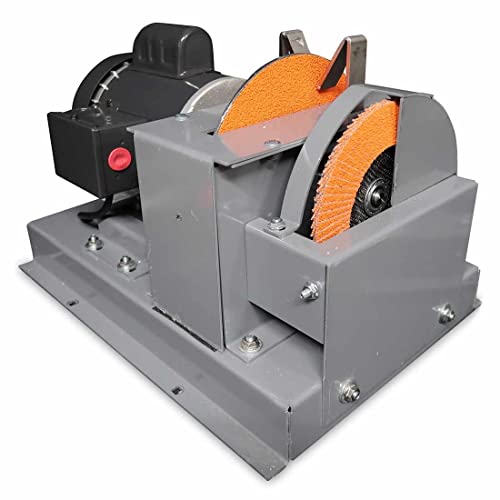
Updated Saw Blade Grinding with Water Injection: Water injection saw blade grinder is an updated one with a water box could reduce the damage of grinding wheel and the high temperature. It is equipped with pure motor and durable grinding wheel.
Frequently Asked Questions
What Can Be Done to Prevent a Saw From Binding or Sticking?
To prevent a saw from binding, we should focus on blade maintenance tips, guarantee proper feeding techniques, apply tool alignment strategies, choose the right materials, and verify saw blade compatibility for peak performance.
What Are the 5 Major Causes of Kickback?
Kickback’s major causes include improper blade selection, lack of operator awareness, poor material handling, insufficient support, and inadequate safety measures. We should prioritize kickback prevention techniques to enhance our cutting safety and efficiency.
Can You Use WD-40 on Saw Blades?
We shouldn’t use WD-40 on saw blades. Instead, let’s stick to proper blade maintenance tips and specialized lubricants for circular saw care. There are better WD-40 alternatives for effective saw blade cleaning and lubrication.
Why Does My Circular Saw Keep Binding?
Our circular saw keeps binding due to poor blade quality factors, improper cutting techniques, and unsuitable materials. We should focus on saw blade maintenance, check compatibility, and improve our cutting technique for smoother performance.


