As an Amazon Associate, we earn from qualifying purchases. Some links on this site are affiliate links at no extra cost to you. Our recommendations are based on thorough research and editorial judgment.


How to Choose the Right TPI for Your Saw Blade

Choosing the right TPI for your saw blade can feel overwhelming at times, especially with all the options out there. If you’re working with thinner materials, a higher TPI between 14 and 18 is usually the way to go. This not only gives you cleaner cuts but also helps prevent any tearing or chipping.
For thicker materials, though, you’ll want to drop down to a lower TPI, around 3 to 6. This allows for better chip removal and keeps the cutting process efficient.
Here’s a tip: always aim for at least 3 to 6 teeth to be in contact with the material as you cut. This improves stability and can help minimize any potential damage to your workpiece. It might sound a bit tedious, but testing different TPI blades on scrap material can really pay off. You’ll get a better feel for how each blade handles various materials.
So, why does this matter? The type of material you’re cutting plays a huge role in the style of tooth you need. Different materials, like hardwood versus softwood or even metal, require different approaches. Knowing this can save you time and frustration in the long run.
To wrap it up, selecting the right TPI can really make or break your cutting experience. Pay attention to the material thickness and don’t hesitate to experiment a bit. What challenges have you faced when choosing the right saw blade?
Key Takeaways
- Select a higher TPI (14-18) for thinner materials to achieve smoother cuts and finishes.
- Use lower TPI (3-6) for thicker materials to improve chip removal and cutting speed.
- Ensure at least 3-6 teeth are engaged for stability and to prevent blade damage.
- Choose the blade width based on the project; wider blades benefit from lower TPI, while narrower blades require higher TPI for stability.
- Test different TPI options on scrap materials to find the best fit for your specific cutting needs.
Understanding the Importance of TPI for Cutting Efficiency

Have you ever struggled to get the perfect cut with your band saw? It can be frustrating when you’re trying to tackle different materials and nothing seems to work right. That’s where TPI, or teeth per inch, comes into play. This measurement is crucial for cutting efficiency, and getting it right can make all the difference.
When you’re working with thinner materials, aim for a higher TPI, somewhere around 14 to 18. This not only gives you a smoother finish but also helps to reduce chipping. So, if you want to make those clean cuts, keep that TPI higher! On the flip side, if you’re cutting through thicker materials, a lower TPI, typically between 3 to 6, is what you need. This allows for those aggressive cuts while efficiently removing chips and preventing the blade from overheating.
Keep in mind that having at least three to six teeth engaged at all times is key. This helps maintain stability and avoids damaging your blade. So, why does this matter? The right TPI doesn’t just boost your cutting performance; it can also extend the life of your blade and help you achieve the finish you’re after.
Additionally, selecting a blade compatible with your machine’s cutting capacity and speed ensures optimal results and longevity.
To sum it up, understanding TPI can transform your cutting experience. You’re not just selecting a blade; you’re making a choice that impacts your entire project. Have you checked your TPI lately?
How Material Thickness Affects Your TPI Selection

Selecting the right TPI (teeth per inch) based on material thickness can make or break your cutting project. Have you ever struggled with rough edges or slow cutting? It might be time to pay attention to TPI. For thinner materials, like woodworking projects or sheet metal, opt for a higher TPI around 14-18. This higher tooth count means more teeth engage with the material simultaneously, leading to cleaner cuts and smoother finishes.
On the flip side, if you’re working with thicker materials, a lower TPI—think 3-6—will do wonders for your efficiency. Why’s that? Fewer teeth in contact with the material help with chip removal and keep your cutting speed up without overheating. Plus, the rule of thumb is to maintain at least 3-6 teeth in contact at all times. This balance is crucial to prevent tooth breakage while keeping things moving along smoothly. So, as your material thickens, remember that the fewer teeth you have per inch, the easier it becomes to manage cutting speed while still achieving a decent surface finish.
Truth is, choosing the right TPI isn’t just about performance; it can also extend the life of your blade. A little thought upfront can lead to better results down the line. Next time you pick a blade, consider the thickness of what you’re cutting. Are you ready to make informed choices for better cutting experiences? Always remember that material durability plays a key role in how your tools perform over time.
Recommended Products

Metal Cutting Band Saw - BS-712R cuts round stock up to 7 in and rectangular stock up to 7 x 8.25 in at 90 degrees, making it suitable for metal fabrication, repair, maintenance, and shop cutting work.

Cut between body panels and under stripped/rusted fasteners
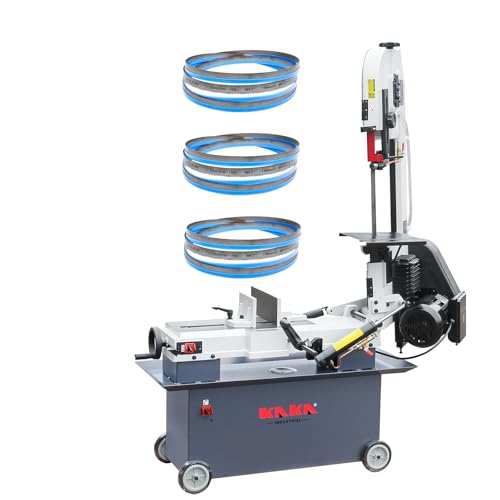
Powerful 1.5HP Motor & Dual Voltage Powerful 1.5HP Motor & 3 Included BladesEngineered for heavy-duty cutting of structural steel, pipe, and alloy tubing. Includes 3 bi-metal blades (5/8TPI) optimized for thin-walled materials, thick solid bars, and mixed-density metals—reduce downtime with instant blade swaps.
What Materials Affect Your Tooth Style Choices?

Choosing the right tooth style for your saw blade can feel overwhelming, especially when you want to get the best results for the materials you’re cutting. Think about this: if you’re working with wood, regular tooth profiles usually do the trick. But if you’re ripping, hook tooth blades are a better choice.
When it comes to nonferrous metals, you really need to pay attention to the blade’s gullets and teeth per inch (TPI). Aim for larger gullets and about 18 TPI to ensure a smooth finish that won’t clog up your blade. Does it really make a difference? Absolutely! Fewer teeth, like 10 TPI, are better for thicker materials because they cut aggressively and get the job done faster.
Tooth geometry also plays a significant role. Beveled teeth are great for tougher materials since they can reduce cutting forces. On the flip side, smaller pitches can increase the number of teeth that are in contact with softer materials, which is a bonus. Angled teeth can make cuts faster and are especially handy for thicker stock. Using blades made from durable materials like bi-metal M42 high-speed steel also enhances cutting performance and blade longevity.
How Blade Width Affects TPI and Cutting Stability
Have you ever struggled with getting a clean cut, only to realize that your blade choice was the problem? The width of your blade is a big deal when it comes to TPI (teeth per inch) and cutting stability.
When you’re picking out a blade, think about this: wider blades give a lot more support, especially for straight cuts. They help minimize bending, which is a real lifesaver when you’re working with tougher materials. A wider blade can often use a lower TPI, which is great because it helps with chip clearance. This means you can make more aggressive cuts while also achieving a smooth finish.
On the flip side, if you’re tackling intricate shapes or tighter curves, narrower blades are your best bet. But here’s the trick: to keep things stable and perform well, those narrow blades usually need to have a higher TPI. Why? Because if the TPI is too low on a narrow blade, you might run into vibrations or uneven cuts, and nobody wants that.
It’s all about finding that sweet spot between the blade’s width and TPI. If you get it right, you’ll see a noticeable improvement in your cutting efficiency, no matter what materials you’re using. Just like how selecting the right material considerations can make all the difference in tool durability and performance, choosing the correct blade width and TPI combination is key to optimal results.
Testing TPI: Refine Your Choice for Best Results
How do you figure out the best teeth per inch (TPI) for your projects? It’s a pretty common challenge. The best way to tackle this is to experiment with different TPI blades on some scrap materials, so you can see how they perform.
As a rule of thumb, you want to keep at least three teeth in contact with the material while cutting. This not only helps prevent stripping but also gives you better control overall. As you’re cutting, pay attention to the speed and the quality of the finish. Fine-pitch TPI blades might give you that smooth finish you crave, but they tend to cut slower.
Adjusting your feed rate is another crucial element. Higher TPI blades commonly need a slower feed speed to avoid burning the material, which could ruin your project. A good TPI chart can be really handy here, helping you match the teeth count to the material thickness you’re working with.
For heavy-duty and durable applications, consider using tools or connectors made from 18-gauge galvanized steel for enhanced strength and longevity.
Frequently Asked Questions
What Tpi Blade Should I Use?
When it comes to choosing a TPI blade, we should consider thickness, cutting speed, and project type. For softer materials, we prefer finer teeth, while tougher ones benefit from coarser configurations for durability and effectiveness.
Is 18 or 24 TPI Better for Metal?
When it comes to metal cutting, we find that an 18 TPI blade excels for thicker materials, offering better cutting speed and blade durability, while a 24 TPI provides superior finish quality for thinner sections.
Is a Higher Tpi Better Saw Blade?
When it comes to saw blades, higher TPI often dances with smooth finishes and blade longevity, yet we must consider material hardness and ideal applications to match our project requirements for peak saw performance.
What Tpi Is Best for Wood?
For wood cutting, we recommend a TPI between 4 to 10 for rough cuts and 14 to 18 for fine finishes. Choosing the right tooth geometry enhances blade performance, cutting speed, and edge durability based on material thickness.


