As an Amazon Associate, we earn from qualifying purchases. Some links on this site are affiliate links at no extra cost to you. Our recommendations are based on thorough research and editorial judgment.


How Plunge Cut Capability Works in Modern Saws

Have you ever struggled to start a cut in a thick piece of wood? That’s where plunge cutting in modern saws comes in. This feature allows you to dive right into the material without having to cut from the edge, giving you a lot of flexibility for all your projects.
Adjustable depths are a fantastic addition, which means you can set your saw to match the thickness of what you’re working with. This is super helpful when you want to create intricate details or varied depths in your cuts. So, why does this matter? It empowers you to take on complex designs without stressing over the technique.
When it comes to making those cuts, precision is crucial. Anti-slip strips and guide rails make a huge difference. They help keep your saw on track, ensuring you get straight cuts every time and cutting down on splintering. If you’ve ever dealt with a messy edge, you know how frustrating that can be!
Another cool feature in many modern saws is integrated dust extraction. This not only keeps your workspace cleaner but also improves safety while you work. No one wants to breathe in wood dust constantly, right?
If you *really* want to boost your cutting accuracy and quality, understanding these features is key. Each part of the saw is designed to make your job easier.
So, what tools are you planning to explore next?
Key Takeaways
- Plunge cutting allows the saw blade to be lowered directly into the material, enabling cuts at any desired point without edge starting.
- Integrated guide rails ensure straight and accurate cuts, reducing the risk of splintering during the plunge process.
- Adjustable cutting depths provide versatility to match various material thicknesses and project requirements efficiently.
- Many modern plunge saws come equipped with dust extraction systems, enhancing workspace cleanliness and air quality during cuts.
- Safety features, such as KickbackStop technology and enclosed blade systems, minimize the risk of accidental contact and improve overall user safety.
Understanding Plunge Cutting: Key Features and Benefits

Plunge cutting is a handy technique that can really up your woodworking game. You ever tried to make a precise cut only to realize that your saw won’t cooperate? That’s where plunge cutting shines. It allows you to lower the saw blade directly into your workpiece—no need to start from the edge. This can make a huge difference, especially for detailed projects.
The integrated guide rails are a real help, keeping your cuts straight and true. Whether you’re cutting out a sink socket or just trying to get a clean edge, those rails ensure you stay on track. Plus, with adjustable depth settings, you’ve got the flexibility to tackle projects of different sizes with ease.
Now, let’s talk safety. Many plunge saws come with features designed to keep you safe. The enclosed blade design and KickbackStop technology are especially useful. They help minimize the risk of injury, which should be a top priority when working with power tools.
The best part is how plunge cutting can improve your project’s quality. It helps produce clean edges and reduces splintering, leading to a more professional look. So, why does this matter? A cleaner finish often means less time spent on sanding and rework later on.
For woodworking projects that involve stair building, understanding recommended maximum stair angle ensures safe and precise cuts tailored to safe home upgrades.
Recommended Products

Cutline indicator, rigid frame, and stainless-steel rollers provide cutting accuracy to within 1/32 in. over 30 in. cuts
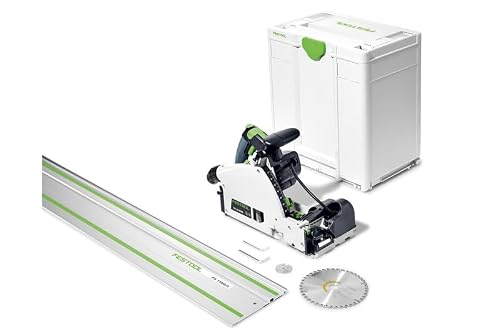
Splinter-free in a single cut. The perfect cut in a portable format. The TSV 60 K has a built-in scoring blade that can be adjusted with precision. Perfect cuts are practically guaranteed with zero-tearout—on both sides. With the TSV 60 K, the first cut is the final cut!

When used with Festool guide rails, you can achieve perfectly straight and splinter-free cuts.
How Plunge Cutting Boosts Precision in Your Projects

When it comes to woodworking, there’s this constant struggle to make perfect cuts. You know how frustrating it can be when your saw doesn’t give you the precision you need. This is where plunge saws come in handy. These saws let you drop the blade right into the material at any point, which means you can achieve way better accuracy than with traditional cuts.
One of the coolest features of plunge saws is the adjustable depth. This means you can customize how deep you want to cut, which is super important to match the thickness of the material you’re working with. Honestly, it makes a world of difference in keeping your cuts consistent. You might be wondering how this impacts the overall quality of your project. Well, plunge cutting is fantastic for making smooth, clean cuts that create perfect pocket cuts and grooves—ideal for those tight joints you want on your projects.
Another perk? Many plunge saw models come with great dust extraction systems. This keeps your workspace clean and makes the cutting process way more enjoyable. Plus, you don’t have to worry about any mess potentially ruining your project.
To add even more stability, many plunge saws include anti-slip strips on the guide tracks. This keeps your saw from wandering off course, which can be a game saver when you’re in the middle of a crucial cut.
For enhanced precision and efficiency in handheld tasks, some professionals also rely on tools like cordless palm nailers that feature adjustable heads and ergonomic designs to improve control and reduce fatigue.
Recommended Products
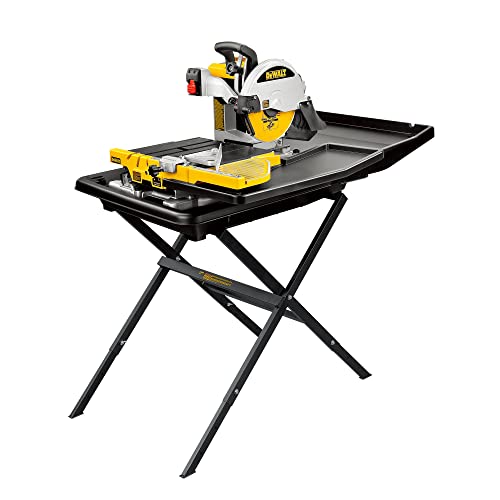
Your purchase includes One Dewalt 10-Inch Wet Tile Saw, Wet Tile Saw Stand, 10-Inch XP4 Porcelain Tile Blade, Submersible Pump, Water Pan, Side Water Tray, Rear Water Tray, Cutting Cart Side Extension, Angle/Rip Guide, Blade Wrench & Hex Wrench

A VERSATILE AND MULTIFUNCTIONAL SAW Our saw combines the cutting capabilities of sliding table, table, circular and radial mitre saws in one. The 1400W saw provides excellent cutting performance with a speed of up to 5000 rpm
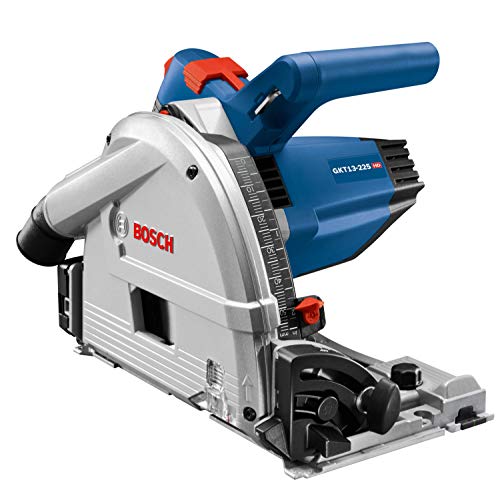
Track saw with plunge action – provides fast, easy setup for one-step clean finish cuts in wood and wood-based sheet goods such as laminated particle boards and plywood
Important Safety Features of Plunge Saws

When you think about choosing a saw, safety probably doesn’t jump to the top of your list. But let’s face it, picking the right plunge saw means considering the safety features that can make a big difference during your projects. For example, the Festool TS 55 REQ comes with something called KickbackStop technology. This handy feature kicks in an emergency brake if it senses kickback, which is a real concern for anyone using a power saw.
You might also appreciate the enclosed blade systems, which help prevent accidental blade contact. That’s a pretty big deal if you want to minimize injuries while working. And with adjustable cutting depth settings, you not only get precise cuts but also more control over your projects. It’s all about making sure your work is accurate while keeping safety in mind.
Here’s another thing: integrated dust extraction systems are more than just a bonus. They play a vital role in capturing harmful particles and improving the air quality in your workspace. Nobody wants to breathe in sawdust, right?
And let’s not forget about stability; features like anti-slip bases and compatibility with guide tracks ensure your saw stays put while you work. That way, you can focus on your cuts without worrying about any shifts or slips.
The safety mechanisms in plunge saws make them far less scary to use. Additionally, maintaining recommended RPM settings can enhance the safety and performance of your saw tools.
So next time you’re on the hunt for tools, think about these features and how they can keep you safe. What safety features do you think are a must-have in your toolkit?
Recommended Products

CUTTING DEPTH: Features full plunge cutting capability up to 1.57 inches deep (4cm), perfect for various stone thicknesses including granite, marble, and porcelain

Splinter-free: The scoring blades ensures splinter-free cuts on both sides from the very first cut.

Guide Rail sold separately.
Plunge Cut Saws vs. Other Cutting Tools: Making an Informed Choice
Have you ever found yourself struggling to make a clean cut in your woodworking projects? If so, plunge cut saws might be just what you need. Unlike circular saws, these tools let you start cuts anywhere on your material. This feature offers you way more flexibility that can really come in handy, especially when working on intricate designs.
When it comes to precision, plunge saws have the upper hand. You can adjust the cutting depth depending on the thickness of the material, which helps you avoid mistakes. Plus, if you’re using track saws, you can follow guide rails to achieve those straight cuts that are essential in fine woodworking. No more worrying about splintering or ragged edges!
Let’s talk about safety, because honestly, that’s always a concern. Plunge saws usually come with enclosed blades and often have dust extraction systems. This makes your workspace much safer compared to circular saws that have those exposed blades flying around. Additionally, considering saws with adjustable cutting depth can enhance both safety and precision in your projects.
Recommended Products

ONE+ HP Technology delivers up to 260 linear feet of cutting per charge when paired with a 4.0 Ah HIGH PERFORMANCE battery. Combine (2) 27.5 in. included tracks for up to 55 in. of controlled, accurate cutting

Revolutionize Your Precision Cuts: Discover the capabilities of the Kett KS-426 2" Electric Panel Saw - your ultimate metal cutter! Effortlessly cut through cold-rolled mild steel up to 16 gauge, aluminum to .100 inch, plastic, and rigid materials. The adjustable depth of cut up to 3/8" ensures precision while the compact blade guard offers smooth and safe plunge cuts. Unleash your cutting potential with this power saw.

12 AMP motor with variable speed control dial (2,000 - 5,200 RPM) for optimum performance in a variety of materials
Real-World Applications of Plunge Cutting in Woodworking and Construction
Ever had a project where you needed to make precise cuts, but traditional methods just didn’t cut it? Plunge cutting might be the solution you’re looking for, especially if you’re into woodworking or construction. Take a plunge saw like the Festool TS 55, for example. It makes creating pockets and recesses a breeze, which is essential when you’re fitting hinges or drawer slides in cabinets. You can cut materials up to 1.5 inches thick, opening up a whole new level of detail in your work.
When it comes to construction tasks, cutting sink holes can often be a headache. However, with a plunge saw, you can adjust the depth to get those clean edges you want. Plus, starting cuts anywhere on your material gives you the flexibility you need for different projects. You might be surprised at how much easier it makes things.
Let’s talk safety for a moment. Using a plunge saw can give you more control and reduce the chances of kickback compared to traditional methods. That’s something we can all appreciate when we’re busy at work. It streamlines custom woodworking projects and ensures that every cut is not only precise but also looks great—because nobody wants a project that’s poorly executed.
So, why does this matter? It’s all about getting quality results and feeling confident in your work. If you’re looking to elevate your woodworking skills, consider investing in a plunge saw. You’ll find it’s worth it when you see the difference in your projects. Additionally, using the right staples for cable protection is as important in electrical wiring as using precise cutting tools is in woodworking to ensure safety and durability.
Frequently Asked Questions
Can a Plunge Saw Do Everything a Circular Saw Can?
No, a plunge saw can’t do everything a circular saw can. While it excels in cutting precision and user experience, the circular saw offers greater tool versatility. Both have distinct safety features that enhance their unique performances.
Can I Make a Plunge Cut With a Circular Saw?
Yes, we can make plunge cuts with a circular saw, but there’re limitations. Utilizing plunge cut techniques enhances our precision cutting benefits; however, we must always prioritize safety considerations over plunge saw advantages for ideal results.
How Do Plunge Saw Rails Work?
Plunge saw rails enhance cutting precision through their rail design, ensuring stability and alignment. With safety features like anti-slip strips, we can confidently achieve peak saw performance, delivering clean and accurate cuts every time.
What Are Plunge Cuts?
Plunge cuts are advanced cutting methods where we lower the saw blade into the material for precise cuts. With proper saw safety tips and maintenance strategies, we can explore their many applications, enhancing our woodworking projects considerably.


