As an Amazon Associate, we earn from qualifying purchases. Some links on this site are affiliate links at no extra cost to you. Our recommendations are based on thorough research and editorial judgment.


Understanding Drill Voltage: 12V vs 18V vs 20V

When it comes to picking the right drill, you might be overwhelmed by choices like 12V, 18V, and 20V. Each one has its sweet spot, depending on what you need to get done.
So, if you’re only tackling light tasks like furniture assembly, a 12V drill could be just right. It packs a decent torque of around 30-40 Nm, making it perfect for small jobs around the house.
Now, if you’ve got medium projects in your sights, consider an 18V drill. These tools hit that sweet spot with 50-60 Nm of torque. Whether you’re drilling into wood or hanging shelves, this is where versatility shines. You’ll find that it’s a solid option if you want a balance between power and ease of use.
For those heavy-duty tasks that require real muscle, you’ll want to reach for a 20V drill. These beasts can deliver 60-80 Nm of torque and are built to handle tougher jobs without breaking a sweat. The improved battery technology means you get better performance and longer run times, which is a big plus when you’re in the middle of a project.
So, why does this matter? Picking the right voltage can save you time and effort. Nobody wants to struggle with an underpowered drill when you’re in the zone with a project.
It’s all about matching the tool to the task. In short, knowing whether you need a 12V, 18V, or 20V drill can make a big difference in how smooth your DIY projects go.
Which voltage do you think would fit best with your upcoming tasks?
Key Takeaways
- 12V drills are ideal for light tasks like furniture assembly, being compact and offering extended runtime for regular DIYers.
- 18V drills strike a balance between power and portability, providing sufficient torque for medium to heavy tasks without significant user fatigue.
- 20V drills cater to heavy-duty projects with higher torque averages, showcasing advancements in battery technology for enhanced performance.
- Lithium-ion batteries enhance the performance of 18V and 20V drills, allowing better load handling and longer operational time.
- Choosing the right drill voltage is crucial for task efficiency, with 12V for light projects, 18V for moderate tasks, and 20V for heavy-duty use.
Understanding Drill Voltage: 12V, 18V, and 20V Explained

When choosing a drill, you might wonder about the differences between 12V, 18V, and 20V models. It’s important to figure out what fits your needs best. A 12V cordless drill is great for light to moderate tasks, perfect for things like putting together furniture. These drills are super portable, and because they use less power, they tend to have longer runtimes.
Now, if you need something with a bit more oomph, consider an 18V drill. It offers a balance between power and portability, so it’s excellent for tougher jobs like masonry drilling. Here’s the thing, while 20V models promote higher torque and seem perfect for heavy-duty work, that voltage number can often be more about marketing than actual performance.
You might think, “Why does this matter?” Well, a well-designed 18V drill could easily outperform a poorly made 20V one. This is crucial if you’re looking to get the right tool for your specific tasks. So, you wouldn’t want to pick a drill solely based on its voltage; look at the overall quality and purpose of the tool.
To recap, consider what you’ll be using the drill for. Whether it’s light tasks or more demanding projects, understanding these differences guarantees smarter choices. What’s your go-to tool for DIY work? Also, keep in mind that features like adjustable speed settings can significantly impact the drill’s versatility and control.
Ideal Use Cases for 12V Cordless Tools

Are you tired of lugging around heavy power tools for simple tasks? If you’re a DIY enthusiast, you might want to check out 12V cordless tools. They really shine when it comes to light and moderate jobs like putting together furniture or installing fixtures around the house. Their compact size makes it a breeze to get into tight spots, which is super handy for precision work—hanging pictures or installing shelves without a fuss is much easier.
One of the best parts is their extended runtime. Since they run on lower voltage, they consume less power, allowing you to work longer before needing to recharge. It’s a hassle-free option when you’ve got a list of projects lined up. Plus, 12V cordless tools are often more affordable than their heavier counterparts, making them a smart investment for regular DIYers who might not need all that heavy-duty power. Many 12V models feature a compact design that enhances portability and ease of operation in tight spaces.
Recommended Products

12,000 pounds of pulling muscle in a compact 12V 4.6HP motor

Essential Home Backup: With a robust 3600W output (7200W surge) and a 3072Wh capacity, the Jackery HomePower 3000 provides reliable backup power for home essentials - fridge, fan, WiFi router, lights, etc. It effortlessly powers a household for up to 15 hours and keeps a refrigerator running for 1 to 2 days, ensuring you're always prepared when outages strike.

DCD771 Drill/Driver in the cordless drill combo kit is compact (front to back) and lightweight, designed to fit into tight areas
Why Choose an 18V Drill for Your Projects?

Ever find yourself in the middle of a project, only to realize your 12V drill just can’t handle the job? You’re not alone. When it comes to tougher tasks, an 18V drill really shines. It strikes a neat balance between power and being easy to carry around.
With a stubborn torque of about 50–60 Nm, these drills tackle stubborn materials and bigger fasteners that 12V models can sometimes struggle with. Plus, the lightweight design means you won’t get fatigued as quickly during longer use. It’s kind of a must if you’re tackling those all-day projects.
Don’t forget about battery life. With an 18V drill, you’ll find you can keep working without having to stop as often to recharge. Ever had a project interrupted by a dead battery? It’s frustrating, right? So, having a drill that keeps going can make all the difference.
When you’re drilling into wood or even light masonry, you’ll notice how well the 18V model maintains power. It can manage those tougher materials without sacrificing your comfort. So, it’s not just about the weight; it really is about getting the job done efficiently.
Just like with selecting any tool, considering material durability can help ensure your drill withstands the demands of your projects over time.
Recommended Products

Brushless motor Lightest, in-line design for unrivaled access Adjustable stroke for optimized cycle time

Works with all 10,000psi (700bar) hoses & single-acting heads. Pre-crimp battery check automatically ensures enough charge to complete each crimp

Milwaukee M18 FORCE LOGIC Long Throw Press Tool Kit 2773-20L
20V Drills: Power and Versatility Benefits
Have you ever been stuck with a drill that just doesn’t have enough power for the job? That’s a frustration many DIYers face. Choosing the right voltage for your drill can make all the difference, and when it comes to versatility, 20V drills really stand out.
Let’s break it down. A 12V drill is compact and lightweight, which makes it great for light tasks like putting together furniture. These drills tend to have longer runtimes since they consume less power, making them perfect for small jobs around the house. But what if you’ve got tougher tasks on your list?
Then you might want to consider an 18V drill. These pack a punch with higher power and torque, making them ideal for hefty duties like drilling into masonry or cutting through hardwood. Now, if you’re after that extra bit of power, 20V drills are a solid choice. While they’re often marketed as having peak voltage, they can actually perform very similarly to 18V models and can even enhance torque for those demanding projects.
Advancements in battery technology have made a real difference, too. You can now find 20V models that are lightweight yet still powerful. This means you don’t have to compromise on efficiency or portability when you pick a cordless drill.
Additionally, features like brushless motors in 20V drills contribute to longer tool lifespan and better performance.
So, why does this matter? Getting the right drill for your needs can save you time and effort down the road. Think about the projects you have in mind – are you more likely to face light tasks or heavy-duty ones?
How Do Torque and Performance Compare: 12V vs. 18V vs. 20V?
How do 12V, 18V, and 20V drills stack up in relation to torque and performance? If you’re wondering which one you need for your projects, you’re in the right place.
12V drills generally pack a torque punch of 30-40 Nm, which means they’re great for light tasks—think of things like assembling furniture or hanging pictures. However, if you’re tackling something a bit tougher, like working with wood or drywall, you’ll want to step up to an 18V model. These typically deliver around 50-60 Nm of torque, making them a solid choice for more demanding DIY jobs.
Now, for those heavy-duty tasks, like drilling through concrete or metal, a 20V drill is where it’s at. With torque levels averaging between 60-80 Nm, these tools are built for construction sites and demanding jobs.
When considering performance, it’s critical to look at motor design and battery technology. A well-built 18V drill can sometimes even outperform a less efficient 20V model. So, how do you decide? It often comes down to what you need for your specific projects. Do you value portability for smaller tasks, or do you require powerful torque for larger ones?
Truth is, the right drill can make all the difference in how smoothly your work goes. With some research, you can find the tool that fits your needs perfectly. What will you be working on? For tight spaces and improved maneuverability, compact tools like the DEWALT DCD740C1 offer excellent performance without sacrificing power.
Recommended Products

PERFORMANCE: Powerful brushless motor and finely tuned impact mechanism for best in class power-to-weight ratio. Robust and durable all-metal drivetrain and hammer mechanism optimized for maximum power and efficiency. 1500 ft-lb nut-busting torque and 1000 ft-lb of MAX torque.

One-Person Operation and Ultra-Simple Use – Converts your cordless drill into a high-torque wire tugger in seconds. Tapered capstan unloads poly line/mule tape/rope in SECONDS (no drill reverse required); The unique adjustable boom and pivoting head allow you to pull from up, down, or sideways. Simply extend the boom with a common 1-inch rigid conduit to create a stable monopod. Note: 1-inch rigid conduit NOT INCLUDED. Minimal setup, maximum efficiency for professional electricians with this handy wire puller tool.

1/2-in compact drill driver delivers 300 unit watts out (UWO) of power ability to complete a wide range of applications
How Battery Efficiency Affects Your Drill’s Performance
When you’re working on a project, have you ever thought about how battery efficiency impacts your drill’s performance? It’s a key factor you shouldn’t overlook. For example, those 12V drills have lower power consumption and can run longer on a single charge, making them ideal for light tasks like hanging pictures or assembling furniture. On the other hand, if you’re tackling bigger jobs that require more power, like drilling through thick wood or masonry, an 18V drill might be your best bet. Sure, they provide that extra power you need, but they can drain faster due to their higher demands.
Here’s a tip: if you’re using 18V or 20V drills, go for lithium-ion batteries. They’re designed to handle heavier loads better and maintain their performance. You’ll notice a boost in torque and speed without sacrificing battery life.
Another one of those under-the-radar boosts to battery efficiency comes from brushless motors. They cut down on energy loss, which means your tools can perform better for longer periods. Just think about it: less energy wasted means you can work on your projects without constantly worrying if your battery is dying.
So, what does all this mean for you? It means you can tackle various tasks more effectively, whether it’s a weekend DIY project or something more intensive. Keeping an eye on battery efficiency can really maximize your operational time. To keep your drill batteries ready and healthy, consider using a battery maintainer, which helps preserve battery performance during periods of inactivity.
Making the Right Choice: Selecting the Best Voltage for Your Tasks
Selecting the right voltage for your projects can feel overwhelming sometimes. Have you ever faced that moment while deciding between a 12V or an 18V tool? Each task requires different power levels, and the right choice can make a huge difference.
For light jobs, like putting together furniture, a 12V cordless screwdriver is a great pick. They’re easy to maneuver and perfect for those smaller tasks. On the other hand, if you’re diving into heavier work, like drilling into masonry, then an 18V model really shines. It strikes a solid balance between power and portability, which is key when you’re working hard.
If versatility is what you need, consider opting for a 20V tool. It can handle both light and heavy-duty tasks, making it an all-around champion in your toolkit. When you’re choosing, don’t just look at the voltage; pay attention to the features that suit your needs. Think about the weight as well, since a lighter tool can make a big difference during those long projects.
Truth is, evaluating each tool’s specs alongside your project requirements means you’ll make a more informed decision. You want something that boosts your efficiency, right?
Many top-rated cordless tools also feature variable speed settings that adapt power output to different materials and tasks, enhancing your control.
In the end, whether it’s a casual DIY project or a more intense renovation, having the right voltage tool can elevate your experience. So, what tool will you reach for next?
Recommended Products
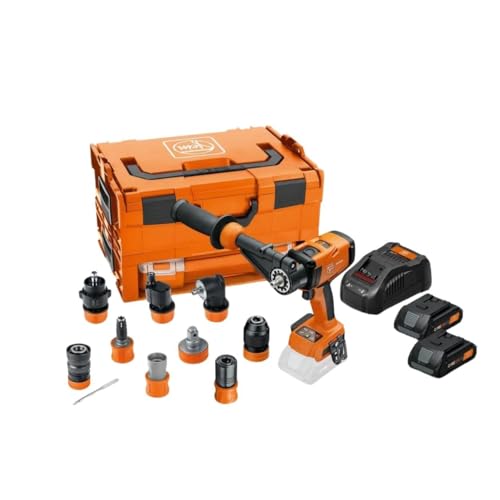
Enhanced Safety & Control - Equipped with kickback monitoring, electronic torque settings (15+1), and an extendable auxiliary handle for precision and protection.

Ultra efficient AC Brushless motor that permits the use of extra-long extension cords with reduced power loss

Two 18V LXT Lithium-Ion batteries deliver the power and run time for corded demands without leaving the 18V LXT platform (batteries not included)
Frequently Asked Questions
Do I Need a 12V or 18V Drill?
When we think about cordless convenience, if our projects lean towards lighter tasks, a 12V drill’s weight benefits may suit us. However, for power requirements and battery life, we should seriously consider an 18V drill’s capabilities despite cost considerations.
What Is the Difference Between 18V and 20V Drill?
When comparing 18V and 20V drills, we’ll notice differences in battery performance, torque capability, and weight. Price comparison and brand reliability also matter, but user reviews often guide us in making the best choice.
Should I Get a 12V or 20V Drill?
We should consider a 20V drill for heavy projects needing drill power, while a 12V offers better battery life and weight benefits for lighter tasks. Let’s weigh performance evaluation against price difference to determine project suitability.
What Voltage Is Best for a Cordless Drill?
When choosing a cordless drill, we’d say 18V strikes a perfect balance. It offers solid torque power and decent battery lifespan without overwhelming weight. Consider price factors, speed settings, and usage frequency in your decision!


