As an Amazon Associate, we earn from qualifying purchases. Some links on this site are affiliate links at no extra cost to you. Our recommendations are based on thorough research and editorial judgment.


Motor Brush Replacement: Signs It’s Time to Change

Have you ever noticed your tools shaking more than usual, or maybe they’re throwing off sparks like it’s the Fourth of July? If that’s happening, it’s likely time to think about replacing the carbon brushes. These little parts can make a big difference in how your tool runs.
Basically, you should be checking those brushes every 100 hours of use, or roughly every 2 to 6 months, especially if they’ve worn down to less than 1/4 inch. Keeping an eye on this can help prevent those annoying performance drops or unexpected shut-offs. You want your tools to work for you, not against you, right?
If you haven’t replaced the brushes and issues like shaking or burning smells hang around, it’s a good idea to investigate further. Try checking the connections or the motor itself, as there might be something else at play. Honestly, maintaining your tools isn’t just about replacing parts; it’s about keeping everything running smoothly.
So, the next time you pick up that tool, take a moment to reflect: is it working like you expect it to? Regular maintenance can go a long way in ensuring you get the most out of your equipment. Keep those brushes fresh, and your tools will thank you!
Key Takeaways
- Increased Sparking: Noticeable sparks during operation suggest that the carbon brushes are worn and need replacement.
- Burning Smell: An odor of overheating indicates brush degradation, signaling it’s time for a change.
- Automatic Cut-off: Frequent tool shutdowns can point to failing brushes that require immediate attention.
- Reduced Tool Performance: A drop in RPM or unusual noises during operation may signify brush wear.
- Physical Inspection: Brushes less than 1/4 inch long or showing discoloration should be replaced to maintain optimal tool function.
Symptoms of Worn Carbon Brushes

Ever notice your power tools acting a little off? It can be frustrating when they don’t perform like they used to. If you’ve been shaking your tools to get them to work, it might be time to take a closer look at those carbon brushes.
Here are some signs they might be worn:
- Poor performance: If you find yourself having to jiggle or shake your tool to make it run smoothly, that’s a red flag.
- Increased sparking: If you see big sparks flying, don’t ignore that. It’s a clear indicator that the brushes are in bad shape.
- Burning smell: A burning odor? That’s a telltale sign of overheating, which means your brushes are likely way past their prime.
- Automatic cut-off: Some tools have a safety feature that just cuts them off when things get too hectic. If yours is doing this often, it’s time to inspect those brushes.
- Unusual noises: Listen for any weird sounds coming from your tool. They can hint at brush trouble just waiting to become a bigger issue.
So, why does this matter? Keeping an eye on these signs means your power tools will work effectively for a long time. Replacing those brushes right when you notice these issues can save you from bigger problems down the line. Proper maintenance, including regular cleaning and lubrication, is essential for prolonging the lifespan of tools like right angle die grinders.
Why Regular Checks Matter?

Have you ever found yourself in the middle of a project, only for your power tool to just stop working? It’s frustrating, right? One of the main culprits could be the motor brushes. Keeping tabs on their condition is really important for keeping your tools in tip-top shape. Regular checks allow you to spot any signs of wear before they become a serious problem, saving you from expensive repairs down the line.
Try this: Inspect your motor brushes every 100 hours of use or about every 2-6 months. Take a close look at the brush caps—are they discolored or damaged? You should consider replacing them if they’ve worn down to less than half their original size. This not only helps in avoiding potential failures but also keeps your tools performing at their best.
So, why does this matter? The earlier you identify issues like sparking or a drop in power output, the better. It’s all about enhancing overall tool performance. By conducting frequent maintenance checks, you’re not just prolonging the lifespan of your tools, but you’re also ensuring they’re working efficiently across all your tasks.
Frankly, a little preventive care goes a long way. Taking these small steps can make a huge difference in how your power tools operate. Many woodworking accessories, including router table fences, feature adjustment mechanisms that can help finely tune your tools for optimal performance.
So, what’s your next project, and how can you make sure your tools are ready for it?
How to Identify the Need for Brush Replacement

How can you tell if your motor brushes need replacing? It’s easier than you might think. Start with a good look at the brushes. If they’re less than 1/4 inch long or look discolored or crumbling, it’s probably time to get new ones.
What about those other signs? If you’re seeing excessive sparking or notice any strange burning smell, that’s a red flag. These can signal that the brushes are making poor electrical contact.
Pay attention to how your tool’s behaving, too. Is it cutting out on you or needing a little bump to get started? Those issues usually point to worn brushes. You might also feel a difference in how it performs. If the RPM drops or there’s more resistance than usual, that’s another indicator the brushes might be wearing down.
I can’t stress enough the importance of regular maintenance checks. Try doing them every few months. This way, you can prevent serious motor damage and swap out the brushes before they reach a critical point. Keeping an eye on these factors means your tools will run smoothly and last longer. What’s your go-to tip for keeping your tools in top shape?
For optimal maintenance, also ensure to follow manufacturer guidelines for care and safety, including using tools equipped with brake stops to enhance operational safety.
Recommended Products

Compact Maneuverability: Designed for daily commercial cleaning in facilities around 3,000–15,000 sq ft, the compact 20-inch scrub path and lightweight lithium-powered design help operators clean retail aisles, classrooms, offices, convenience stores, and other occupied commercial spaces more efficiently

POWER: outstanding power, providing 43 ft.-lbs. of impact energy for a tool weighing just 63 pounds, perfect for the toughest applications including foundation work and pipe laying

High Speed Direct Drive Centrifugal Upblast Exhaust Fan with speed control (three phase), disconnect switch and 20-3/4" wheel.
Steps for Replacing Carbon Brushes
Have you ever found your power tools sputtering or losing power? It’s probably time to check those carbon brushes! Replacing them isn’t difficult and can seriously boost your tool’s performance while extending its lifespan.
First things first, always make sure the tool is unplugged before you start fiddling with it—safety first to avoid any nasty shocks! Once you’ve got that sorted, you can remove the old brushes. Pay attention to how they’re positioned. Trust me, noting their orientation will make installing the new brushes a lot smoother.
Now, when it comes to picking out replacement parts, make sure they’re compatible with your model. For example, if you have something like the TE-MG 300 EQ, Titan Carbon Brushes are a solid choice. After popping in those new brushes, reassemble the motor and give it a test run. You want to make sure everything’s spinning just right.
And here’s a useful tip: keep a logbook to track when you replace the brushes. This way, you can monitor their usage and anticipate when they’ll need to be swapped out again. It helps prevent motor damage down the line. So, which tools are you planning to check next?
For enhanced longevity and reliability, consider components made from durable materials that resist wear under heavy use.
Recommended Products

Powerful Performance: Equipped with 2 HP/1500W power and a max speed of 3200 RPM. The vertical lathe design ensures stability for extended, continuous use, rough and fine woodworking. Ideal for professional woodworkers, and small business owners
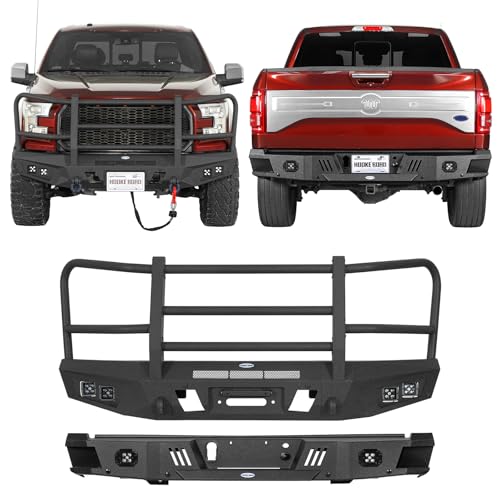
【Application】- Magnus front and rear bumper set w/ Grille Guard compatible with 2015 2016 2017 Ford F-150 Regular Cab | SuperCab | SuperCrew pickup trucks(Exclude Raptor). Compatible with front and rear parking sensors

LED LIGHT BAR. The crossbar of this grill guard features a patented design to house a 30-inch single-row LED light bar. The included light bar provides a 14,800-lumen combo beam pattern. It is constructed with grade-A LED chips
Tools and Practices That Wear Out Your Brushes
Have you ever wondered why your power tools seem to lose their punch way too fast? Many of us don’t realize that common tools can really cut down the lifespan of their motor brushes. When things like routers and drills are overloaded, it creates more friction and heat, which leads to quicker brush wear. Plus, those frequent on-and-off cycles we do when using these tools can really add up, causing us to change out brushes more often than we’d like.
Operating tools above their recommended capacities also doesn’t do any favors. When you draw in excessive current, brushes wear down fast. Remember to keep your tools clean, too! Dust and debris can pile up inside and mess with brush movement, resulting in overheating.
So, what’s the takeaway here? Some simple maintenance can make a world of difference:
- Regularly clean your tools to avoid dust buildup.
- Check brushes often to see if they’re wearing down.
- Stick to the recommended capacities for your tools.
For belt sanders and similar tools, paying attention to features like adjustable belt angles and effective dust management can also help reduce motor strain and prolong brush life by ensuring efficient operation and debris control, especially in compact benchtop designs with dust collection ports.
Truth is, when you take care of your tools, they take care of you. And keeping those brushes in good shape can really help your tools last longer. What steps are you taking to maintain your equipment?
Recommended Products

Self-Propelled Drive: Powered traction drive system moves the machine forward automatically, reducing operator strain during long cleaning shifts. Operators guide instead of push, making it ideal for warehouses, supermarkets, distribution centers, and mid-to-large commercial facilities between 10,000–50,000 ft²

New internally zooming, internal focus F2.8 L-Series hybrid telephoto zoom lens featuring an iris ring for manual iris control.

Built for Medium-to-Large Commercial Hard Floors: This 22-inch walk-behind floor scrubber is ideal for retail stores, schools, offices, gyms, workshops, and mixed-use commercial spaces that need dependable daily cleaning without stepping up to a larger, bulkier machine
How to Extend the Lifespan of Your Brushes
Have you ever noticed how quickly motor brushes can wear out? Taking care of your brushes is key to keeping your power tools running efficiently and lasting longer. Regularly checking them and switching them out when they’re down to about 25-30% of their original size can really help avoid motor damage. Nobody wants to deal with a tool that’s lost its power, right?
Keeping your equipment clean is another biggie. Dust and debris can cause friction on the brushes, which means less operational time for you. So, when you’re done using your tools, give them a good wipe down. Just think about how much smoother they’ll run.
Also, make sure you’re using your tools within their load capacity. Overloading can really strain the brushes, shortening their lifespan. Couple that with proper lubrication on moving parts to reduce friction and heat, and you’re on the right track. Trust me, a little effort goes a long way here.
To keep everything in check, set a reminder for routine maintenance checks every few months. Catching wear early means you can replace brushes before they completely give out. When maintaining tools, it’s also important to consider the maximum pressure rating to ensure compatibility and safety during use. So, what’s your plan for brush care? Taking these steps will keep your tools in tip-top shape for much longer!
Recommended Products
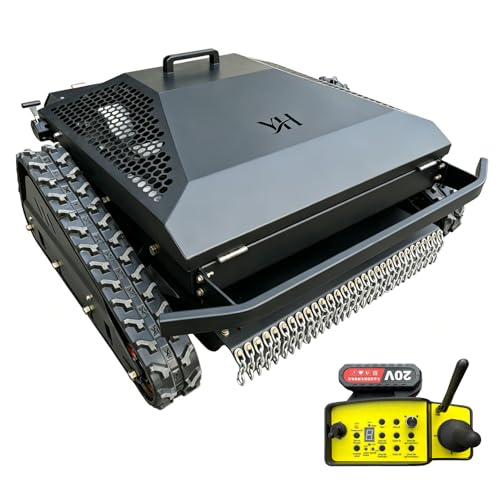
18HP/452cc POWERHOUSE & 1.2 ACRES/HR: Powered by a 452cc commercial engine and 1600W brushless motor, this mower features a 31.5" wide deck to clear 1.2 acres per hour. It delivers high torque and efficiency for both home gardens and large farms.

Conquer Complex Pools with AI Mapping: Achieve ultra-precise navigation, obstacle detection, and full coverage with AI Mapping. This pool robot cleaner maps complex layouts and lets you view routes in the app for total control. Ensure your data's safe with TÜV-Certified Privacy Protection.

5-in-1 Cleaning Power — Effortlessly clean every pool surface, waterline, walls, floor, and clarify water, using one device. Save time and effort with innovative submarine propulsion. (Includes Clarifying Agent Kit)
What to Do If Your Motor Underperforms After a Brush Change?
What do you do when your motor’s performance takes a nosedive after you’ve just changed the brushes? It can be pretty frustrating, and you’re definitely not alone in this. Take a moment to check a few critical areas to get things back on track.
Start with the seating of the brushes. Making sure they’re making solid contact with the commutator is key. If they’re not seated properly, you’ll see a drop in performance. Then, take a good look at the commutator surface. Look for any signs of wear or damage. Even the smallest issues here can affect how well those new brushes do their job.
Now, let’s talk about the brush springs. Are they pushing down with enough pressure? Weak springs can really mess with the electrical contact, which is exactly what you don’t want. And it might seem obvious, but double-check that the brushes you purchased are actually compatible with your motor model and that you installed them correctly. Remember, you can’t fix what’s not aligned from the get-go.
Here’s a little tip: After you’ve got everything in order, consider running your motor at a light load for a short while. This can help the brushes bed in properly, leading to better contact and improved performance.
Also, maintaining dry conditions and regular inspection can help prevent wear and corrosion on motor components, ensuring better longevity and function.
In a nutshell, if your motor’s not performing as it should, take a step back and methodically evaluate these factors. Have you ever experienced similar issues? Who knew a bit of troubleshooting could yield such a difference, right?
Recommended Products
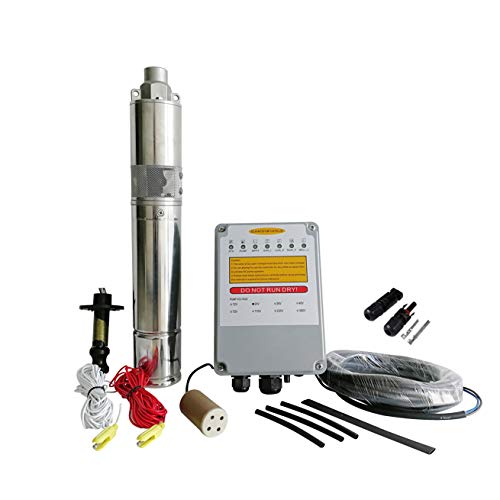
ESSENTIAL PARAMETER: Solar water pump, 0.7HP, 48v DC, 390ft, 9GPM, 3/4” size stainless steel deep well submersible pump, durable for home and industrial use


Maximizes jet action for ultimate spa experience
Frequently Asked Questions
How to Tell if Motor Brushes Need Replacing?
To tell if motor brushes need replacing, we should watch for brush wear indicators like sparking and burning smells. Regular maintenance helps us catch replacement signs early, preventing motor performance degradation and ensuring smooth operation.
What Are the Symptoms of a Bad Starter Motor Brush?
We’ll notice symptoms like poor starter performance and unusual noises during starting attempts. A visual inspection helps with identifying electric resistance issues, guiding our maintenance tips to guarantee optimal motor function and overall vehicle reliability.
How Do I Know if My Washing Machine Needs New Brushes?
If we notice brush wear affecting our washing machine’s performance, it’s time for new brushes. Noise issues and efficiency loss signal potential motor maintenance. A sudden decline in operation often points toward worn components needing replacement.
How to Tell if a Brushed Motor Is Bad?
To tell if a brushed motor’s bad, we should watch for motor performance issues, unusual noises, overheating problems, and voltage fluctuations. A short lifespan often indicates it’s time to address these concerns before further damage occurs.


