As an Amazon Associate, we earn from qualifying purchases. Some links on this site are affiliate links at no extra cost to you. Our recommendations are based on thorough research and editorial judgment.


How Tool Weight Distribution Affects Handling

Have you ever struggled with a tool that just didn’t feel right in your hands? You’re not alone. Tool weight distribution can really make or break your experience. For example, a 5-pound ergonomic wrench that’s designed with balance can really enhance your control. It’s easier to work for long stretches without feeling wiped out.
When you’re testing out tools, look for that sweet spot of 50/50 weight distribution. Why does this matter? Uneven weight can lead to fatigue and throw off your precision, which isn’t ideal if you’re tackling detailed tasks. Trust me; those small details make a huge difference in your work efficiency.
Here’s a tip: always consider how a tool feels when you hold it. Does it feel comfortable? Does it feel heavy on one side?
Trying out different tools can give you great insight into what works best for you. Think about the type of projects you typically deal with and match your tools to those needs.
Honestly, understanding these weight distribution factors helps you choose tools that suit your work style best. So, next time you’re browsing for a wrench or any heavy-duty tool, pay attention to how it’s balanced.
What tool has made your work easier recently?
Key Takeaways
- Weight distribution affects control, making well-balanced tools easier to maneuver and operate effectively.
- A tool’s center of gravity greatly influences its stability, impacting overall handling performance.
- Poorly balanced tools can lead to fatigue, reducing user efficiency and increasing discomfort during extended use.
- Ergonomic designs promote natural grip, allowing for better handling and reducing muscle strain while using tools.
- Testing tools for balanced weight distribution ensures better precision and control during various tasks.
Understanding the Basics of Tool Weight Distribution

When it comes to using tools, have you ever noticed how the weight feels when you’re working? It’s not just about what the tool can do; how the weight is balanced impacts your control and handling. Weight distribution plays a crucial role in this—it’s all about where the mass is placed in the tool, and that determines its center of gravity.
Take the DeWalt DCD791D2, for example. Its weight is well-balanced, which means you can work with it for longer periods without straining your muscles. You get better control and stability, making it easier to handle tasks precisely. On the flip side, if you’re dealing with a tool like the Milwaukee 2804-20 that isn’t balanced, fatigue can set in quickly—especially during extended use.
A well-thought-out design can also minimize slips or drops. Isn’t that something we all want?
So, how do you make sure you’re choosing the right tools? Pay close attention to their weight distribution. It’s one of those details that often gets overlooked, yet it can significantly enhance your working experience. If you consider how a tool handles, you’ll find yourself making much better choices.
In short, being aware of weight distribution is key. Next time you’re shopping for tools, think about how they feel in your hands. Are they comfortable? Do they seem balanced?
Choosing tools made of lightweight materials like aluminum or copper can also improve ease of handling and reduce fatigue during use.
What’s your go-to tool for those long projects?
How Weight Distribution Affects Tool Performance

Weight distribution is something you probably don’t think about until you’re struggling with a tool that just doesn’t feel right. When a tool is balanced properly, like the Makita XDT16Z 18V LXT impact driver, you can really feel the difference. It clocking in at 3.9 pounds with weight evenly spread out makes it much easier to control and use for extended periods without wearing out your hands.
On the flip side, take the DeWalt DCD999P2 20V MAX. It’s definitely heavier and can feel sturdy, which can be great for tough jobs. But if it’s not balanced well, you might find yourself getting fatigued pretty quickly. Here’s the trick: pay attention to how a tool feels in your hand. If you notice you’re struggling to keep it steady, it’s probably a sign that the weight distribution isn’t quite right.
Ergonomic designs come into play here, too. When a tool is designed with your comfort in mind, it reduces strain on your hands and wrists, allowing you to focus more on the task at hand rather than how much your tool feels like a brick. Ever tried doing delicate work with a clunky tool? It’s not fun—controlling those movements is tough when the weight is uneven.
Ultimately, the balance of a tool influences how effective it is in your hands, affecting how you perform different tasks. So, what’s the bottom line? A well-designed tool can significantly improve the quality of your work and make your life a little easier. Next time you’re reaching for a tool, consider its weight distribution—it might just save you some strain and make your tasks smoother. For example, comparing cordless miter saws like the lightweight Makita 18V LXT model demonstrates how proper weight can enhance portability and precision.
Common Challenges in Balancing Tool Weight Distribution

Balancing tool weight distribution can be a real headache, can’t it? Heavier tools often drag you down, leading to muscle fatigue that can really take a toll during those long hours of work. Think about it — how often have you felt sore or strained just trying to get a job done? It’s no joke, especially when you’re on your feet all day.
When tools aren’t evenly weighted, you lose control. Have you ever used a tool that felt like it had a mind of its own? That unstable feeling can mess with your precision, particularly on tasks that require a delicate touch. Tools that are too front-heavy or rear-heavy make quick movements tricky, and nobody wants to wrestle with their equipment when time’s a factor.
Longer tools and heavier attachments don’t help the situation. They can amplify balance issues, leading to even more strain on your body. So what can you do? Proper tool design is critical. You want tools that feel balanced in your hands. The best part is, having the right weight distribution not only ramps up your comfort, but it also boosts your confidence on the job. You’ll find you’re working more effectively and with less fatigue on those extended days. Choosing the appropriate hammer weight based on your strength and task needs is essential for optimal handling.
Recommended Products

What's Included: 5, 10, 15, 20, 25, 30, 35, 40, 45, 50, 55, 60, 65, 70, 75, 80, 85, 90, 95, 100 lb pairs of urethane coated dumbbells and two 3-tiered racks

ElliptiGO 11R: The 11R is the only elliptical bike on the market that offers our patented running-like pedaling motion, vibration-dampening carbon-fiber drive arms, and a folding-steering column for easy transport. With 11 gears, the 11R can take on the steepest hills and push the pace on flats. 250lb Weight Limit. Ships Almost Fully-Assembled. No Tools Required.

Exceptional Performance: The SWAROVSKI OPTIK NL Pure 10x52 Binoculars has exceptional twilight performance thanks to a 52 mm objective lens diameter
Proven Solutions for Achieving Optimal Tool Weight Distribution
Ever struggled with tool fatigue after a long day of DIY or repair work? One major factor can be how a tool’s weight is distributed. Getting the balance right can make all the difference in comfort and effectiveness.
Just think about tools designed with balance in mind. A good example is the Dewalt DCD771C2 drill. Weighing in at 3.6 pounds, it’s crafted so that the center of gravity sits close to the grip. You can really feel the difference during extended use—it’s much more comfortable.
On the flip side, I’ve noticed that lighter tools, like the Milwaukee M12 drill at just 2.2 pounds, can significantly cut down on fatigue. This means you can move faster and tackle your tasks without that dreaded arm strain. Who wouldn’t want to stay productive without feeling wiped out?
Here’s a tip: Look for adjustable features in tools. For instance, the Makita XFD131 lets you personalize the weight distribution to fit your needs. Ergonomic designs that have contoured grips and reduced weight can really help ease that strain and give you better control.
So, when you’re trying out different models, pay attention to how they feel in your hand. Preferences vary from person to person, but remember that comfort and balance are key for getting the job done efficiently.
Using tools with durable, balanced drill bits like M35 cobalt variants can also contribute to maintaining consistent handling during tough projects.
As you fine-tune your tool selection, keep your specific needs in mind to find that perfect balance. What tools have you tried that made a difference in your projects?
Recommended Products

1" DRIVE CORDLESS IMPACT WRENCH: The Ingersoll Rand W9491 delivers 2,200 ft-lbs of maximum fastening torque and 2,600 ft-lbs of nut-busting torque for tough automotive, industrial, and heavy-equipment applications. This wrench is sold together with 2 BL2022 5.0Ah batteries and a dual-bay charger.

Powerful 14 AMP motor delivers 25.7 ft.lbs. of impact energy to handle the most demanding applications

Performance: All metal drivetrain and hammer mechanism robust, durable and optimized for maximum power and efficiency
How Material Choices Impact Your Tool’s Weight Management
Ever tried lifting a heavy tool after a long day? It’s not fun, right? When choosing materials for your tools, the weight can really make a big difference in how easy they are to use, especially if you’re working for hours on end.
Take steel tools, for example. They’re tough and can take a beating, but they also weigh between 5-8 pounds. That’s quite a load to carry around if you’re using them for extended periods. On the flip side, aluminum tools are a lot lighter, usually weighing around 2-4 pounds, which makes handling them a breeze.
Then there are composite materials like reinforced plastic. These are a sweet spot—they combine strength and lightweight design, typically weighing less than 3 pounds while still holding up during tough jobs. So, why does this matter? Lighter tools mean you can maneuver them better and experience less fatigue. You want control over your work without straining your arms and back.
Consider how you plan to use your tools. Are you going for long sessions? If so, it might pay off to prioritize materials that give you that strategic balance between weight and effectiveness.
The best part? When you choose wisely, you’re not just ensuring your tools perform well, but you’re also making your time on the job more comfortable.
Additionally, incorporating weight distribution principles can further improve handling by balancing the tool’s mass for ease of use and reduced strain.
Recommended Products

Heavy-Duty 100-Inch Capacity: This sheet metal brake handles 12-gauge mild steel stainless steel copper and aluminum with a solid welded frame designed for large-scale industrial fabrication and high-volume projects
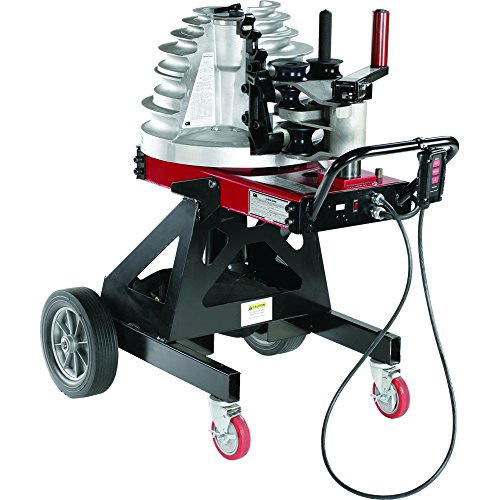
Engineered to save time; bends ½ to 2 in. RIGID; RIGID ALUMINUM; EMT & IMC CONDUIT with a SINGLE SHOE. BENDS in both HORIZONTAL & VERTICAL positions. Hook attachement on dial FREES HANDS WHILE WORKING WITH CONDUIT.
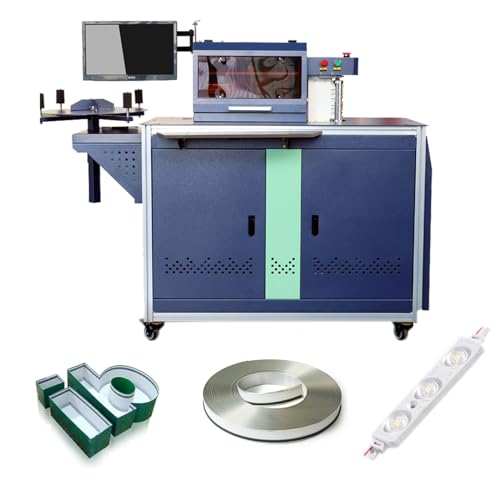
Single phase AC 220V Automatic Channel Letter Fabrication Bender Machine for Aluminum Channelume/ Let-r-Edge Coil *1set ( Remark: The air pump and computer is not included, please prepare it by yourself.The air pump should be above 0.6Mpa and computer should be W7 32-bit with PCI slot. )
Ergonomic Designs That Boost Tool Comfort and Efficiency
Ever found yourself struggling with a tool that just doesn’t feel right in your hand? It’s frustrating, isn’t it? Ergonomic designs in tools can really make a big difference in your comfort and efficiency at work.
Tools that are balanced well can seriously cut down on the strain you feel in your hands and wrists during those long projects. For example, take a look at the XYZ brand’s ergonomic drill. Its center of gravity lines up perfectly with the grip, which boosts your precision when handling delicate tasks. You won’t tire out as quickly when you’ve got tools that fit naturally in your grip.
Contoured handles are another game-changer. They promote a more natural grip and can greatly reduce muscle fatigue, which often comes from awkward weight distribution. You know that achy feeling after using an uncomfortable tool? A well-designed handle can help keep that at bay. Plus, materials like magnesium composites keep the weight down without skimping on balance.
So, what’s the bottom line? Testing shows these ergonomic tweaks can bump up your productivity by as much as 25%. When you’re tackling repetitive tasks, having tools that keep you comfortable and reduce fatigue makes all the difference.
In the end, it’s all about working smarter, not harder. Have you thought about how much ergonomic tools could improve your work experience? Hand tools that include adjustable depth features can further enhance control and precision, contributing to overall ease of use.
Recommended Products

3/4" Diameter shank, fits most standard annular cutter styles

【High-Performance Magnetic Drill】:Featuring a robust 1650W pure copper motor, this magnetic drilling machine delivers exceptional torque and power, ensuring efficient penetration through hardened materials at a speed of 810 RPM. Designed for precision and durability, it offers a maximum coring capacity of 40 mm (boring diameter) with a maximum drilling depth of 50 mm, making it ideal for heavy-duty industrial applications.

Superior Performance: This 1100W heavy-duty mag drill bores at 580 RPM up to a maximum 2" depth and a maximum 1.6" across. With its 10A powerful motor, the magnetic drill press drills through industry quality steel with ease.
Testing and Adjusting Tool Weight Distribution for Optimal Performance
Have you ever struggled with controlling a drill when you’re in the middle of a project? It can be frustrating when all you want is to make your work easier, but the tool feels awkward in your hands. Testing tool weight distribution is super important for making sure everything works smoothly, and here’s why.
When tackling projects with tools like the Model X drill, you want that perfect balance—aiming for a 50/50 weight distribution is key. If the weight’s not right, it can affect how well you handle the tool. A simple adjustment, like moving a 2-pound battery lower in the design, can significantly enhance stability and make a huge difference in your comfort while working.
So, why does this matter? User feedback plays a big role here. Periodically, checking in with folks about their experience can provide insights on how to improve handling and precision for different tasks. Think about testing in scenarios like overhead drilling, where you really need that balance to reduce arm fatigue. Adjusting weight placement can make those tricky tasks much more manageable.
Cordless tools with lightweight designs help reduce user fatigue over prolonged use, making proper weight distribution even more critical.
The takeaway? Keeping a close eye on how tools feel and perform in real-life conditions helps cut down on user fatigue over long periods. And let’s be honest, when you’re not wrestling with your tools, you can actually focus on getting the job done right.
Next time you pick up a tool, consider how its weight is distributed. Making small changes can have a big impact on your overall efficiency. Have you tried adjusting your tools for better weight distribution? What works for you?
Best Practices for Choosing Weight-Balanced Tools
Choosing weight-balanced tools isn’t just about specs or brands; it’s about ensuring you can work comfortably without feeling like you’re wrestling with a brick. Have you ever found yourself using a tool that feels too heavy or awkward? It can really take the joy out of the job. That’s why looking at ergonomic designs is so important—they help distribute weight evenly and reduce that pesky strain on your muscles.
Take the DeWalt DCD771C2 as an example. Weighing in at 3.6 pounds, it strikes a nice balance, which really helps with control and precision, especially during those long tasks where you might otherwise start to feel fatigued. But there’s more to it than just comfort; you should also think about the specific job at hand. For those heavier-duty projects, the Bosch GSB120, a bit bulkier, can provide the stability you need to get through tough jobs without losing focus.
Here’s the trick: Features matter too! Look for tools with anti-vibration technology like the Makita XDT131. You’ll appreciate how much easier it is to finish the task without feeling like you’ve just run a marathon with your arms by the end of it.
Additionally, tools with ergonomic benefits help reduce strain during prolonged usage, enhancing efficiency and comfort on the job.
Ultimately, picking the right weight can seriously boost your productivity and comfort. Different manufacturers cater to either pros or DIYers, making it easier for you to find what fits your own needs best. So next time you’re tool shopping, make sure you think about how it’ll feel in your hands during those marathon sessions. Have you found the perfect tool yet, or are you still on the hunt?
Recommended Products
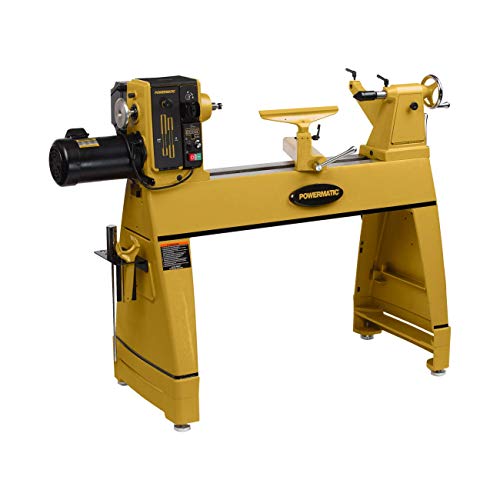
DIGITAL DISPLAY - Digital indexing readout simplifies the indexing process for added precision

Effortless Boring Precision: This machine's 13 spindles ensure precise and consistent drilling depths, allowing you to create clean and professional-looking holes effortlessly.

Powerful Performance: Equipped with a 16-amp, 110-volt motor and a 4-gear system, this tool is designed for demanding jobs, ensuring efficiency and productivity.
Conclusion: Maximizing Efficiency Through Proper Weight Management
Ever tried working on a project and found yourself struggling with the weight of your tools? It’s a real hassle when tools feel unwieldy, and you can lose your focus pretty quickly. That’s where proper weight distribution comes into play. It can really make a difference in how you control your tools and get your tasks done smoothly.
Take the DeWalt DCD771C2 drill, for example. With its 1.6-pound body, it doesn’t just feel lighter—it’s stable, too. This kind of design can cut down on fatigue during those longer jobs, allowing you to keep going without feeling sore. When you’re in the middle of a project, every bit of comfort adds to your overall performance.
And let’s not forget about tools designed with ergonomics in mind, like the Ryobi P236 impact driver. It’s crafted for a comfortable grip, making it easier to keep your focus on the task rather than your aching hands. So, why does this matter? When you’re less concerned about how heavy your tools feel, you can give your full attention to getting the job done right the first time.
During my hands-on experience, I’ve seen firsthand that selecting tools that prioritize weight distribution can seriously boost your efficiency. Whether you’re tackling a professional job or a weekend DIY project, remembering to consider how a tool feels in your hand is crucial. It not only prevents strain but can also lead to better outcomes overall. Additionally, choosing accessories like hole saw kits that feature heat-treated materials can enhance performance while maintaining manageable weight.
Frequently Asked Questions
How Does Weight Distribution Affect Handling?
Weight distribution, or weight dynamics, greatly influences handling. When tools are balanced, we experience improved control and comfort, allowing us to work effectively for longer periods. Conversely, poor weight dynamics can lead to fatigue and reduced precision.
How Does Weight Distribution Affect Stability?
Think of weight distribution like the foundation of a house; it determines stability mechanics. When balanced, tools stand firm, minimizing wobble and enhancing our control, which ultimately leads to safer and more efficient performance in our tasks.
What Weight Distribution Is Best for Handling?
For ideal handling, we’ve found that maintaining a balanced weight distribution is key. A well-balanced tool not only enhances our control but also reduces fatigue, allowing us to work more efficiently and comfortably during tasks.
Does Weight Reduction Improve Handling?
Yes, weight reduction does improve handling. We’ve found that lighter tools reduce fatigue, enhance control, and increase productivity, making tasks more efficient and comfortable. It’s clear that investing in lighter tools is beneficial for all users.


